
Johannesburg, South Africa – Building managers and facility directors seeking to protect commercial properties from bird damage now have access to comprehensive guidance on identifying high-risk building areas before damage accumulates. Eco Smart Pest Control has released essential assessment strategies that enable targeted resource allocation rather than scattered building-wide coverage that stretches budgets without addressing root problems.
The new resource, Where Birds Attack: Identifying Vulnerability Points in Commercial Buildings, explains how the first step in effective bird control isn’t treatment—it’s understanding exactly where and why birds target commercial properties. According to the guide, birds don’t choose roosting sites randomly but seek specific architectural features that provide shelter, safety from predators, and proximity to food sources.
Common High-Risk Architectural Features
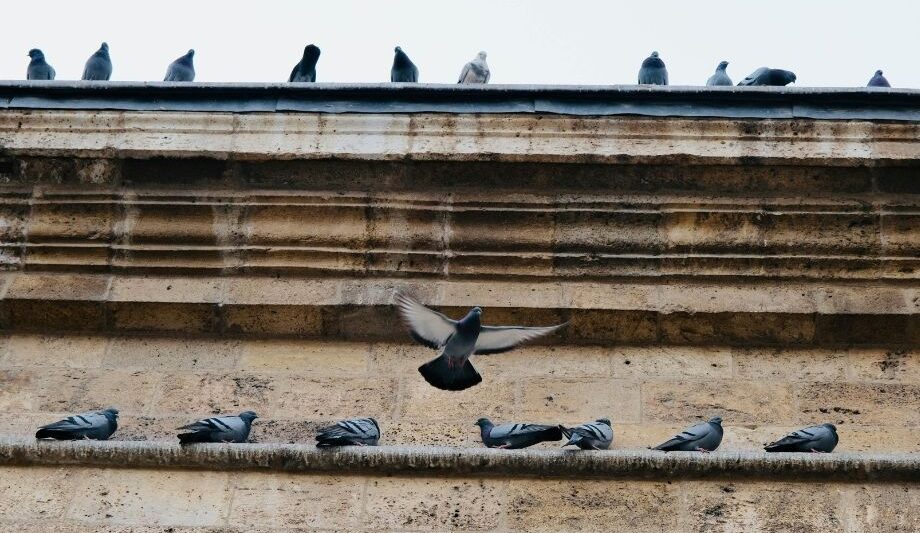
The guide details how ledges represent the most obvious bird attractant on commercial buildings. Any horizontal surface wider than 50mm provides comfortable roosting space where birds can perch safely whilst surveying their territory. Building managers often overlook how many ledges their properties actually contain—window sills, decorative architectural features, concrete beams, signage brackets, and roof edges all qualify as prime bird real estate.
Recessed areas offer birds protection from weather and predators, making them particularly desirable nesting sites. Building alcoves, loading dock overhangs, covered walkways, and architectural indentations create sheltered spaces where birds establish long-term residence rather than merely stopping briefly. These protected zones allow birds to nest comfortably, leading to permanent colonies that prove far more difficult to address than transient roosting activity. Professional bird proofing in Johannesburg prevents corrosion and damage before costly repairs are needed.
Location-Specific Risk Factors
The resource explains how building neighbourhood significantly influences bird pressure levels. Properties located near food establishments—restaurants, cafes, food processing facilities—experience dramatically higher bird activity due to readily available food sources. Birds quickly learn where consistent food appears and establish territories nearby, creating elevated bird pressure regardless of individual building characteristics.
Proximity to parks, gardens, or bodies of water also increases bird activity. These natural features attract bird populations seeking water, nesting materials, and diverse food sources. Commercial buildings adjacent to these areas become convenient roosting sites where birds rest between foraging trips. Urban versus suburban locations present different bird species and behaviour patterns, with city centre properties typically dealing with pigeons whilst suburban buildings face broader species diversity.
Conducting Systematic Building Assessments
The guide recommends beginning assessments by walking building perimeters during peak bird activity hours—typically early morning and late afternoon. Building managers should observe where birds congregate, noting specific features they utilize and documenting these patterns photographically. Visual records prove invaluable when planning interventions and demonstrating problems to stakeholders.
Examining vertical surfaces for evidence of bird activity even when birds aren’t visibly present reveals important information. Droppings accumulation, feathers, nesting materials, and staining on walls beneath roosting sites all indicate regular bird use. The density and distribution of these signs reveal activity levels—heavy accumulation suggests established colonies whilst scattered droppings indicate transient roosting.
Documenting Current Damage Levels
Photography provides essential baseline documentation before implementing prevention measures. The resource recommends photographing stained facades, corroded fixtures, accumulated droppings, and any structural damage attributable to bird activity. These images serve multiple purposes—they help prioritize intervention areas, provide evidence for budget justifications, and create before-and-after comparisons demonstrating prevention effectiveness.
Creating a prioritized intervention map that ranks areas by bird activity severity and damage potential guides resource allocation and creates phased implementation plans when budget constraints prevent addressing all areas simultaneously. High-priority zones combine intensive current bird use with vulnerable building materials or critical structural elements.
Professional Assessment Benefits
Building managers can conduct basic ground-level assessments to identify obvious activity areas. However, professional assessments provide expertise in recognizing subtle indicators, accessing difficult areas safely, and recommending appropriate solutions based on bird species and building characteristics. Eco Smart Pest Control offers comprehensive commercial building assessments throughout Johannesburg with SAPCA-approved expertise.
The time invested in systematic assessment delivers returns through targeted interventions that address actual problems rather than perceived issues. Without understanding where birds target buildings and why, prevention efforts become scattered and ineffective.
Building managers seeking to identify vulnerability points and develop targeted bird control strategies can access the complete guide and schedule professional building assessments. Contact Eco Smart Pest Control at Airport Road, Gate 5, Lanseria International Airport, Gauteng, South Africa, or call 076 509 4708.
Images:

Links:
Boilerplate and Editor’s Notes.
More Info on Eco Smart Pest Control Releases Strategic Guide for Building Managers on Identifying Bird Vulnerability Points here:
LinkedIn: https://www.linkedin.com/company/eco-smart-pest-control/
Facebook: https://www.facebook.com/EcoSmartpestcontrol
CLICK HERE to submit your press release to MyPR.co.za.
Track Your Press Release HERE:
Check Online Visibility
Verify where this release is currently indexed:
 OAK Law Releases Guidance on Recovering Outstanding Payments Whilst Preserving Client Relationships
