
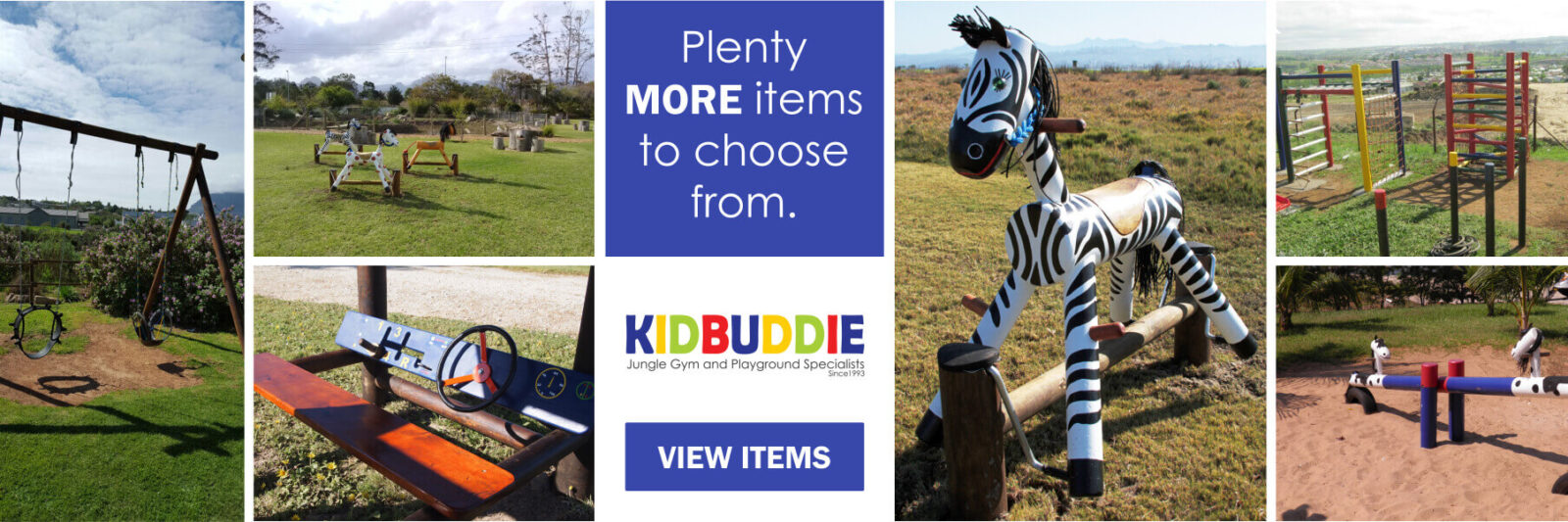
 Children’s outdoor play equipment are powerful tools in a child’s development, aiding in their social, mental and physical development. Not to mention playgrounds and obstacle courses provide kids with some much needed time outside, enjoying the fresh air and keeping physically active. Children are full of energy, and without enough playtime, they can become hyperactive and have trouble winding down at the end of the day.
The playground is also where children have the chance to interact with other kids, forging valuable friendships, navigating social interactions, and learning in-depth social skills and etiquettes that are essential for going into life.
It all Starts with a Safe Playground
All this requires a safe place for kids to play, and when looking for play area equipment suppliers, it’s recommended that you do thorough research into the company you’re looking to source your jungle gyms and playground equipment from. There are right ways and wrong ways to do things, and the materials and expertise that goes into the production of wooden jungle gyms and obstacle courses are what makes the difference between a safe playground and a playground rife with danger and potential for injury.
Kidbuddie is home to some of the leading obstacle course builders in the industry, specialising in sturdy kids jungle gyms and an extensive array of colourful and diverse playground equipment. Safety is our top priority, but no matter how much effort we put into safe playground construction, it doesn’t amount to much if kids aren’t taught safe playground practices. There should always be some rules and lessons in place to empower children to play safely and have plenty of fun. Here are some best practices and rules parents, teachers and guardians should be teaching children on the playground.
Supervision is Key
Adults can help in preventing accidents on the playground, reducing the risk of injury substantially. If an injury does occur, an adult is right on hand to assist them and assess the severity of the injury.
Something to consider is that children of all ages are prone to injury, so don’t focus on either one of them exclusively. Older children are keener to take risks and test their limits, showing off to other kids or pushing themselves too far, while younger kids struggle to judge distance and are clumsier or less coordinated.
But it’s also important to teach children to be mindful of one another. They should know to come straight to an adult if they or their peers are injured, and not to aggravate the situation when they occur.
Jungle Gym Manners
There are some important guidelines to remember when kids are using the jungle gym not only to protect themselves but to protect others and maintain healthy relationships and interactions with other kids.
First off, they should be taught not to roughhouse or wrestle while on any of the playground equipment, to avoid falling, bumps, scrapes or limb/finger traps. Additionally, playground equipment is designed to be used in a particular fashion; children should slide feet first and in a sitting position, avoid standing on monkey bars, seesaws and swings, and don’t climb on the outside of a jungle gym. And never use equipment intended for one person in pairs. There should only be one person on a swing or slide at a time, or two kids sitting on either side of a seesaw. If a piece of equipment is being used as it was intended to be, there’s a lot less risk of injuries or broken equipment.
CLICK HERE to submit your press release to MyPR.co.za.
Track Your Press Release HERE:
Check Online Visibility
Verify where this release is currently indexed:
 Female mechanical engineer breaks through gender defined barriers