
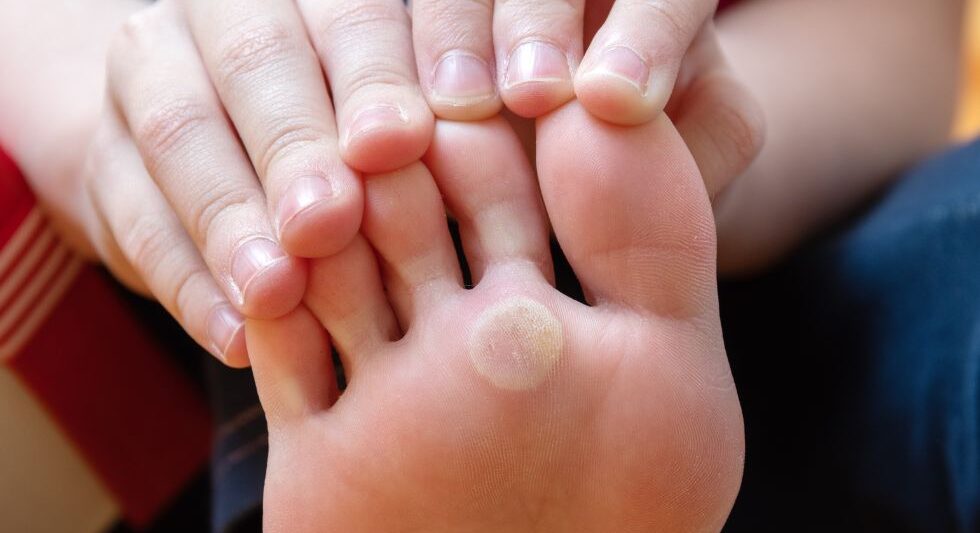
SANDTON, SOUTH AFRICA – foot health specialists are highlighting the importance of understanding the fundamental differences between corns and calluses, two commonly confused conditions that affect millions of people worldwide. According to podiatry experts, whilst both conditions result from the skin’s response to excessive pressure, they manifest differently and require distinct treatment approaches.
Understanding the Distinction
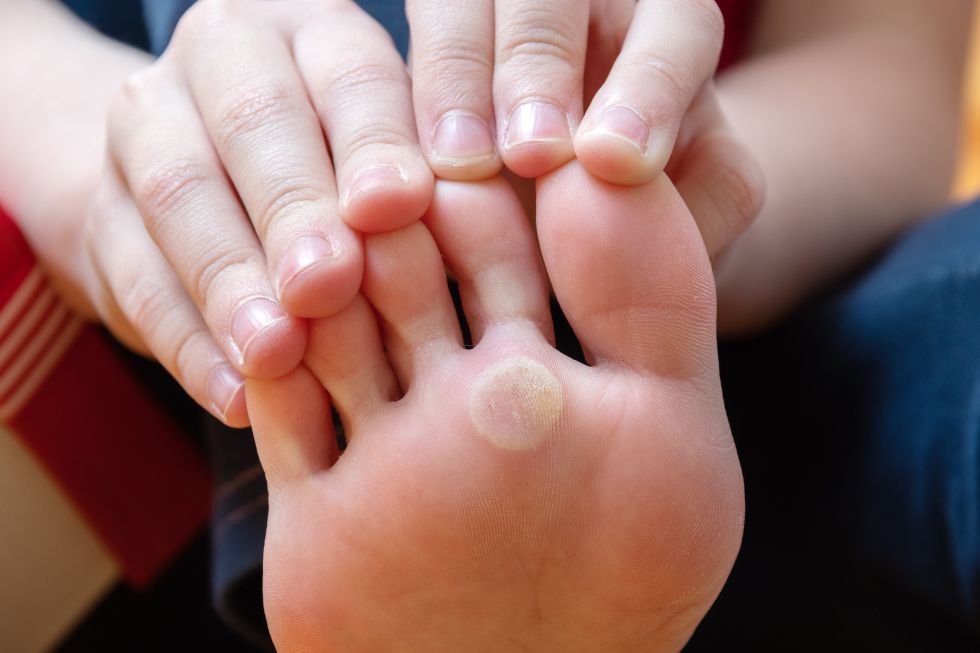
Corns develop when high pressure concentrates over small areas, creating thick, painful patches typically only a few millimetres in size. These commonly appear under the balls of the feet, on the sides of the smallest toes, or on hammer toes. In contrast, calluses form when pressure spreads across larger surface areas, creating thickened patches that serve as the body’s natural defence mechanism to protect underlying tissues.
“Many people use these terms interchangeably, but understanding their differences is crucial for proper treatment,” explain foot care specialists. “Calluses are typically painless, though they can become uncomfortable when very thick, whilst corns can be significantly more painful due to their concentrated nature.”
Primary Causes and Risk Factors
The leading cause of both conditions remains ill-fitting footwear. Tight shoes create pressure points, whilst loose shoes allow feet to slide and rub against surfaces. High heels particularly concentrate pressure on the balls of the feet, increasing the likelihood of corn formation.
Foot deformities such as hammer toes, bunions, or prominent bone structures create natural pressure points that alter weight distribution. Additionally, biomechanical issues including gait abnormalities, flat feet, or high arches influence where pressure accumulates during daily activities.
Professional Treatment Advantages
Professional care offers significant advantages over do-it-yourself approaches. Expert treatment involves careful debridement using specialised instruments, a process that is virtually painless when performed by experienced podiatrists and provides immediate relief.
Beyond immediate symptom relief, professional assessment can identify underlying biomechanical issues through gait evaluation, leading to recommendations for custom orthotics that redistribute pressure evenly. Footwear evaluation and pressure redistribution strategies form crucial components of comprehensive treatment plans.
Prevention and Long-term Management
Prevention strategies include choosing appropriate footwear with adequate toe room and stable heels not exceeding 5cm in height. Daily application of quality foot cream and weekly gentle exfoliation help maintain healthy skin and prevent dead skin buildup.
Podiatry experts emphasise that permanent elimination depends on addressing underlying causes. Professional management through regular care significantly reduces both frequency and severity of recurrence.
For comprehensive foot care and professional corn and callus management, contact M Maddocks Inc at UMED Sandton Medical Suites, 134 Grayston Dr, Sandown, Sandton, 2196, or call 078 060 6744.
Video: Professional Podiatrists Share Essential Guide to Understanding and Managing Corns and Calluses
Boilerplate and Editor’s Notes.
More Info on Professional Podiatrists Share Essential Guide to Understanding and Managing Corns and Calluses here:
Twitter:
Facebook:
CLICK HERE to submit your press release to MyPR.co.za.
Track Your Press Release HERE:
Check Online Visibility
Verify where this release is currently indexed:
 Expert Waterproofing Company Releases Comprehensive Guide to Membrane Selection for Property Protection