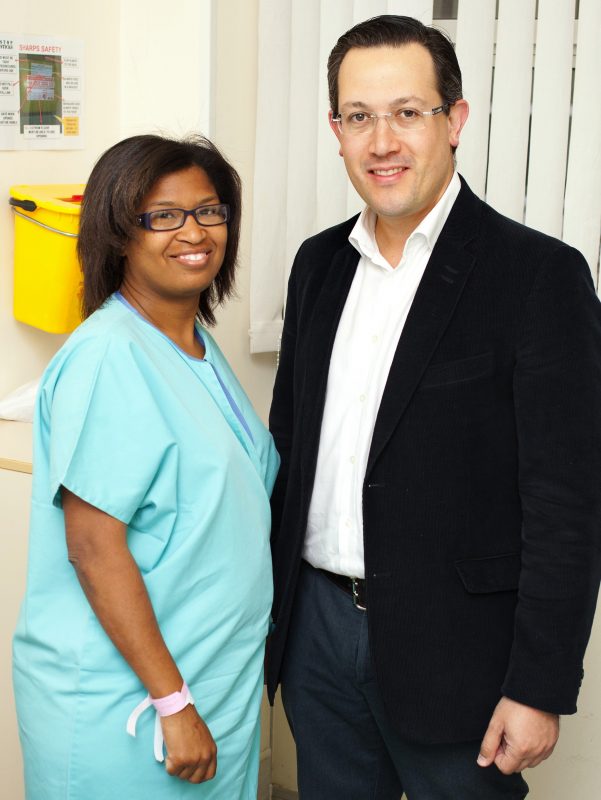
Good oral health helps maintain wellness in people living with HIV/Aids
Good oral hygiene advised to help stave off infections
Tooth decay, gum disease and a range of oral problems can make life very uncomfortable for anyone who suffers from them. People living with HIV, however, should be particularly vigilant as oral health problems can take a serious toll on their health and potentially be very dangerous.
Acting chief executive officer for Agility Global Health Solutions Africa (Agility Africa), Dr Jacques Snyman, says that maintaining oral health is important for the overall health of the whole body. “Firstly, pain or discomfort in the mouth can make it difficult to eat, which may result in an individual not getting the nutrients they need to fight infections and stay healthy.”
Oral infections can also have serious implications for the health of the rest of the body. “When we have an infection in the mouth, gum disease for example, the germs may enter the blood stream from small mouth lesions. In patients with compromised immune systems, these bacteria may infect other parts of the body,” Dr Snyman explains.
“Infection in the mouth, like any infection, places additional strain on the body – particularly for patients living with HIV. Mouth infections can even affect the valves of the heart, which again increases the risk of stroke. It is therefore imperative to have these treated as soon as possible.”
There is a range oral health conditions that people living with HIV, in particular, should be aware of, including:
• Hairy leukoplakia
This condition is characterised by a whitish benign lesion on the tongue and, as its name suggests, the patch has a corrugated, “hairy” or shaggy appearance.
Dr Snyman says: “The same type of virus that is associated with glandular fever causes hairy leukoplakia and, while this condition is not harmful in itself, those who have it may have concerns about it being visible. Some antiretroviral medications can reduce the lesions.”
• Cold sores (also known as fever sores)
Cold sores are painful, raised blisters filled with fluid that appear on the lips or inside the mouth. “They are caused by the herpes simplex virus and are highly contagious and can therefore easily spread to other parts of the body, especially in the immunocompromised person. Speak to your healthcare practitioner about the antiviral treatments available for cold sores. If you have a cold sore, remember to wash your hands and avoid kissing and oral sex, as this virus can spread very easily.”
• Oral candidiasis (also known as oral thrush)
Oral thrush is a yeast infection that is usually caused by Candida albicans, which is present in the mouths of between a third and half of the population. It can develop into an opportunistic infection when the factors that normally keep it in check are compromised. These include, imbalance in the micro-organisms present in the mouth, reduced saliva flow (which is sometimes present in HIV patients) and when the epithelial tissue lining of the mouth is compromised.
• Oral warts
Oral warts, caused by the human papillomavirus (HPV), which has been linked to cervical cancer, are of particular concern because some types of oral warts can progress to become cancerous. “There is a significant risk that oral warts can lead to cancers of the mouth and so it is very important to consult your doctor if you are concerned that you may have this type of lesion,” Dr Snyman observes.
• Mouth ulcers (also known as canker sores)
Mouth ulcers are a common condition and, despite their rather sinister-sounding North American name “canker sore”, are not dangerous and have not been linked to oral cancer. Mouth ulcers can vary in their degree of severity; with some causing discomfort and others causing severe pain that can put the patient off eating. The cause of mouth ulcers is not entirely understood, but stress, injury, hormonal changes or deficiencies of certain nutrients are believed to trigger their occurrence.
• Tooth cavities (caries)
Cavities are caused by bacteria in the mouth which erode the surface of the tooth. The decay happens slowly and at first is not painful. However, as the cavity gets larger you may experience sensitivity to heat and cold, and eventually toothache. “Some HIV medications may cause dryness of the mouth and this can speed up the progress of tooth decay. There are, however, solutions to this problem that you can discuss with your doctor.”
Dr Snyman notes that if dental caries are not treated, painful abscesses may develop and eventually may lead to the surrounding jawbone becoming infected. “People living with HIV should exercise rigorous oral hygiene, as problems such as this can have serious implications in terms of life expectancy and quality of life.”
• Gum disease
Gum disease occurs when bacteria in your mouth infect the edges of the gums around the teeth. The gums gradually loosen around the tooth, allowing bits of food to get trapped in little pockets between the tooth and the gum. Bacteria breed in these pockets causing infection, pain and even loss of teeth.
“Gum disease is a very common problem, but people living with HIV should be particularly careful to maintain good oral hygiene as this condition can be extremely painful and becomes progressively harder to treat. Make regular appointments with a dentist or dental hygienist as they are able to clean more deeply around your teeth than you will be able to at home.”
Everyone should brush their teeth thoroughly at least twice a day, preferably after each meal, but oral hygiene is all the more important for people with compromised immune systems. Teeth should be flossed daily, as a tooth brush cannot reach between teeth for thorough cleaning. “Speak to your doctor or dentist about whether mouthwashes are compatible with any prescribed medications,” Dr Snyman advises.
“The Africa regional office of the World Health Organization has highlighted that, because of the chronic pain and suffering that oral diseases can cause, they diminish quality of life and impact the individual’s capacity to function in their work and family lives. Cumulatively, the effects of oral ill health therefore contribute to a potentially huge economic burden on the continent,” Dr Snyman concludes.
Editors’ notes
Agility Africa is one of the largest independent medical scheme administrators in the South African healthcare industry. It provides a range of human capital solutions, incorporating medical scheme risk management and managed care.
Ends
Issued by: Martina Nicholson Associates (MNA) for Agility Africa
Contact: Martina Nicholson
Telephone: (011) 469 3016
Email: martina@mnapr.co.za
Author: Meggan Saville from MNA.
CLICK HERE to submit your press release to MyPR.co.za.
Track Your Press Release HERE:
Check Online Visibility
Verify where this release is currently indexed:
 SNII announces appointment of Scott Zambonini as Enterprise Development Manager