
 Bitcoin has been around since 2009 and over last few years, the currency’s experienced many ups and downs. It has slowly but surely gained momentum in South Africa and in January, daily trade was estimated at R2 billion.
The increasing use of crypto assets, including Bitcoin, has led regulators to take steps towards bringing them under SA regulation, supposedly to keep users safe, amongst others. This week saw South African banks being required to block clients from buying cryptocurrencies on international exchanges with their credit cards.
This comes after Absa clients reported no longer being able to use their debit or credit cards to buy cryptocurrencies from Binance, the largest centralised digital asset exchange in the world. Clients who try to buy cryptocurrencies from Binance receive the following SMS message from Absa:
Absa: Temporary lock enabled for online purchases on credit card ending with **0000. You can deactivate it via Absa Online, the Banking App or by calling the number at the back of your card for help. Auth FSP/NCRCP7
When attempting to clear the temporary lock, clients reported that the Absa online banking interface shows that no such lock is in effect. The Absa Private Banking contact centre said that the block went into effect on Friday. It also informed clients that transactions with Binance are being blocked because it does not comply with regulations.
According to Binance, it is fully compliant with all current crypto regulations within the Africa region.It also said that Absa clients being unable to use Binance’s fiat onramp is not because Absa blocked Binance.
The Reserve Bank’s website states that cross-border or foreign exchange transfers for the explicit purpose of purchasing crypto assets is not allowed. According to the Reserve Bank, the Exchange Control Regulations prohibit transactions where capital or the right to capital is, without permission from National Treasury, directly or indirectly exported from South Africa. This includes transactions where an individual purchases crypto assets in South Africa and uses them to externalise ‘any right to capital’. The Reserve Bank warned that contravening these regulations is a criminal offence.
And while banks are tightening the ropes, news broke of one of the biggest crypto hacks in South Africa’s crypto history. Africrypt, which reportedly counts several high-profile South Africans and celebrities among its investors, was hacked in April. A staggering US$3.6-billion or about R54-billion was swiped out of multiple wallets controlled by directors of the company in a matter of hours.
Though the investigation is still ongoing with multiple regulatory authorities now looking into it, this may turn out to be one of the biggest financial scandals in South Africa’s history.
So where does this leave South Africans – continue to invest in crypto currency, especially Bitcoin or find alternative options?
Dumisani Manganyi, Director of Kryptomark, says finding the correct balance and knowing how to trade within the ever-changing regulations is critical.
‘The motivation behind crypto trading is to create a strong and sustainable income, however, very few people actually understand the science behind these transactions. They key is not to gamble an amount that would burden your family or prevent you from achieving your goals. The goal behind crypto currency is also not to get rich overnight, you need to be in it for the long haul and make use of the correct strategies. Not a lot of people understand the current regulations and restrictions when it comes to trading, resorting to social media to get tips and advice. This is definitely not the way to go. It would be well worth your time and money to engage with experts who have done the research and paid their dues,’ he says.
Recently the price of Bitcoin dipped below $30,000 for the first time since January, highlighting the cryptocurrency’s volatility in a time when more and more people are interested in getting in on the action. Manganyi says one should not pay too much attention to the swings.
‘For those who invest in crypto for the long-term using a buy-and-hold strategy, swings like this are to be expected. The recent dips are nothing to be overly worried about one should actually avoid checking your investments during volatile market dips. Many of us have been through the 2017 crypto crash which saw major cryptocurrencies, including Bitcoin, lose major value. The key is to keep your cryptocurrency investments to under 5% of your portfolio. If you’ve done that, then don’t stress about the swings, because they’re going to keep happening,’ he says.
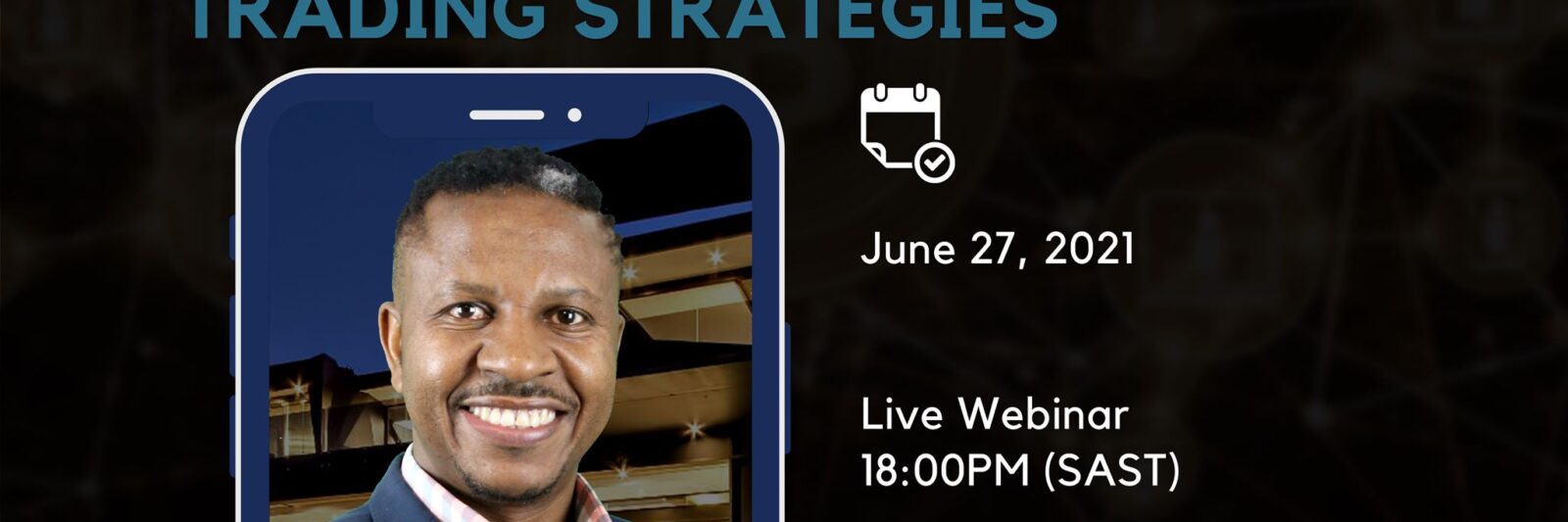
Manganyi says he has been involved in crypto training for a number of years and will also be hosting a webinar on the best strategies to
‘We host these events on a regular basis to empower South Africans and ensure that they become part of the crypto community. The shocking fact is that while many South Africans have given the first step by creating Bitcoin wallets, 64% of these have not been used. Less than 5% of South African youth have invested in crypto and less than 3% are women.’
Manganyi says his company, Kryptomark, will host a free webinar on Sunday, 27 June, to focus on the following topics:
• How to spot opportunities during the present climate?
• How to finance your crypto investment apart from the banks?
• How to leverage 5 powerful crypto strategies?
• How to build long-term wealth with crypto investing?
• How to dominate the Crypto market!
To register for the free webinar, click here: https://webinar.kryptomark.com/live/
CLICK HERE to submit your press release to MyPR.co.za.
Track Your Press Release HERE:
Check Online Visibility
Verify where this release is currently indexed:
 Topwatch Gets Sporty With TW Steel Watches