

June is World Cataract Awareness Month, Spec-Savers South Africa is challenging one of the most persistent myths in eye health: that cataracts are an old person's condition. The science tells a different story and for South Africans, the risk factors are unusually close to home. Cataracts are responsible for nearly 45 per cent of global blindness, yet the condition is highly treatable when caught early. What fewer people realise is that age is only one piece of the picture. Diabetes, UV light exposure, and certain medications are all established drivers of cataract development and research shows people with diabetes are approximately twice as likely to develop cataracts, and often at a younger age. South Africa carries a significant burden of all three. The country has one of the highest rates of diabetes in sub-Saharan Africa, levels of UV exposure that rank among the most intense in the world, and a growing population of adults in their 40s and 50s who have never had a comprehensive eye examination. South African research has confirmed that people living with diabetes are almost twice as likely to self-report a cataract diagnosis compared to those without the condition. Hypertension, which affects an estimated one in three South African adults, was also found to nearly triple the likelihood of a cataract diagnosis. In sub-Saharan Africa, the number of people living with cataracts is projected to grow from 15.2 million to 21.4 million by 2040, a trajectory that makes early intervention, not just treatment, the priority. "A cataract does not announce itself," says optometrist Tiaan Massyn, Owner/Franchisee at Spec-Savers - The Reds in Pretoria. "By the time a patient notices that colours look faded, that night driving has become difficult, or that they need significantly more light to read, the condition has often been developing for years. A routine eye examination changes that entirely." Signs worth getting checked: Clouded, blurred or dim …
World Optometry Day 2026: A Five-Minute Eye Test Can Detect Silent Health Threats Such as Diabetes and Hypertension
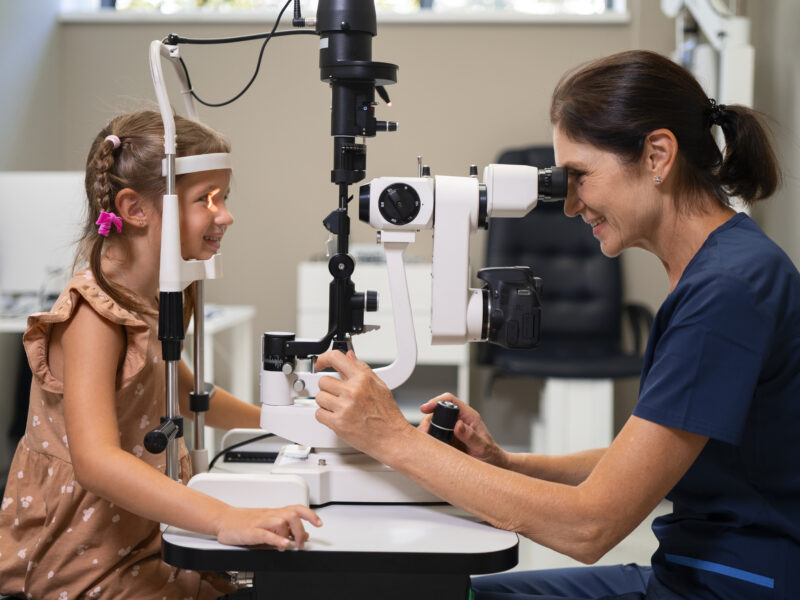
South Africa - As the world marks World Optometry Day, Spec-Savers South Africa joins the international optometry community in recognising the World Council of Optometry’s 2026 theme: “A Shared Vision: Collaboration in Global Eye Care.” This year’s focus highlights how partnerships across the wider health system can strengthen early detection of serious medical conditions - beginning with something as simple as a routine eye examination. In South Africa, non-communicable diseases such as hypertension and diabetes continue to rise. Often described as “silent conditions”, they can develop gradually and without noticeable symptoms, meaning many people may be unaware of changes in their overall health. Because the eyes are the only place in the body where blood vessels can be viewed directly, optometrists are uniquely positioned to detect early signs of systemic disease. A retinal examination can reveal subtle changes associated with high blood pressure or diabetes, often before a patient becomes aware of any broader health concerns. Nearly half of South Africans living with diabetes have never undergone a professional eye examination, despite their heightened risk of diabetic retinopathy. By 2030, an estimated 11 million people in the country are expected to be affected by this sight-threatening condition, making timely screening more important than ever. Spec-Savers South Africa is committed to making these essential vision checks easy and accessible. In support of this year’s theme, all Spec-Savers practices across the country offer free five-minute vision screenings, available on a walk-in basis with no appointment required. These quick tests provide a practical first step in monitoring eye health and identifying concerns that may require further medical attention. By working closely with general practitioners and other healthcare partners, Spec-Savers aims to ensure that eye examinations form an integral part of holistic health management. On World …