
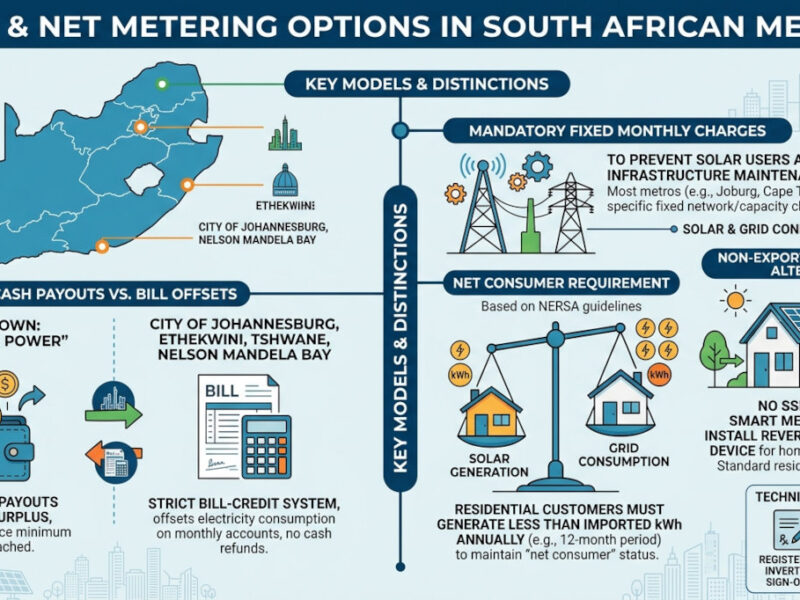
Or, you could just go for the 'Hippy Option' One of the YouTube Channels that I watch on a semi-regular basis is 'Undecided with Matt Ferrell'. In his latest video, "The Hidden Problem With Home Batteries", Matt details how he actually loses money on his home battery setup in a 1 for 1 net metering situation in the state of Massachusetts. Matt is a bit of an uber nerd when it comes to making decisions - not only does he over research but he continues to do so by monitoring and reporting back on his purchases, in detail and well after the date of purchase. In some ways he extolls the BA Systems Energy Management mantra of; "If you can measure it, you can manage it!" BUT, the bottom line when watching such videos from another part of the world is that every country, province, metropolitan area and utility supplier has different ways that they handle charges for electricity and grid connection charges. The quick take away for South Africa is somewhere in the following: Financial efficiency may shift positively if utilities transition away from 1:1 net metering or introduce Time-of-Use (TOU) rate structures. Under TOU rates, storing cheap daytime energy to discharge during expensive peak hours makes batteries considerably more financially viable. In fact Matt estimates that a TOU tariff may impact him directly as follows: From minus $200 per year to between $170 and $800 plus in savings per year. Again - efficient management of use is the key. As a consumer in South Africa there are three main areas to consider: Does my supplier offer Net Metering? What is the proportion (1:1 2:1 etc)? What are the Time of Use Tariffs for each portion? Of course the real reason why South African consumers install home batteries is really an emotional response to an Eskom failure - loadshedding provided the impetus. Now, if Eskom was superbly efficient with a 100% uptime then we could forget about that emotional response and just use Grid Tie Solar - …
A Simple Budget Friendly Way to Answer ONE Question
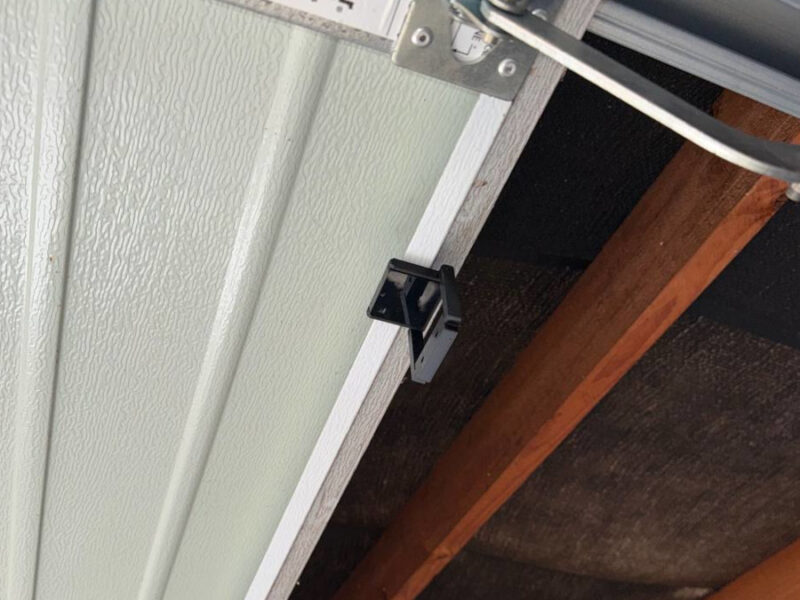
You drive away from the house and halfway down the road you ask yourself that dreaded question; "Did I close the garage door on my way out?" You carry on, and for the rest of the journey the question nags. At some point you either turn back to check or you decide to trust that you closed it and carry on. A garage door monitoring sensor removes this entirely. You open the app, see the closed status and move on. Or you see it is open, close it remotely (if you have a smart garage opener), and move on. The round trip is ten seconds. Beyond the daily uncertainty, there are properties where garage security is genuinely important — attached garages with direct internal access to the house, garages storing high-value vehicles or tools, or properties where the garage is a routine entry point that the alarm system does not currently cover. There are many effective solutions - mostly stand alone, so it makes sense to use a solution that will fit seamlessly into an existing home automation eco-system or even be the first step in home automation AND on a budget. The Stratlec solution does NOT explicitly require a qualified electrician to install or run cables either - literally lick, stick and activate to control from a FREE Smartphone App with NO monthly subscriptions. The Stratlec Solution: Combine the Shelly BLU Door/Window Sensor with our bespoke Shelly BLU Door/Window Hinged Bracket, stick or drill it onto your garage door, connect the FREE Shelly App and you have peace of mind. Parts Needed Shelly BLU Door/Window Sensor: A Bluetooth-based sensor used to detect the open or closed state of your garage door (available at Stratlec Online). Shelly BLU Door/Window Hinged Bracket: A specialized mounting bracket designed to accommodate the unique physical movement and angles of a garage door (available at Stratlec Online). Skills Needed Basic smartphone navigation (downloading apps and enabling Bluetooth). Simple mechanical installation …
Track Your Press Release HERE:
Who Actually Saves When Smart Meters are Installed?
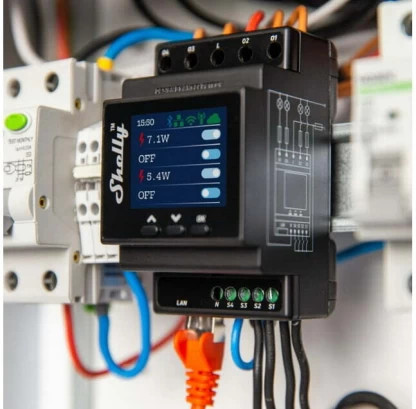
Smart Tools vs Less Smart Meters Is Shelly Smarter than Eskom? Eskom's Claim Eskom are actively encouraging consumers to switch to Smart Meters. Listening to SAFM this morning one of the presenters read out Eskom's advert (radio's version of editorial!) and one of the claim in the script, amongst others, was that Smart Meters "save energy". The way that it was worded made me wonder just how Smart Meters will save me energy (money) or magically make individual appliances more energy efficient if installed. Is this correct? The bottom line is that ultimately, a smart meter does not inherently generate electricity or make individual appliances more energy-efficient on its own. Instead, it saves energy by modifying human behaviour, automating load reductions during critical peak times, and preventing system-wide overloads, effectively lowering overall demand on the national grid. So, it could be said, that Eskom is using an obfuscation technique to 'encourage' consumers to sign up to being more controlled at the main electrical entry point into their properties. So what is the actual story around Smart Meters? When Eskom claims that smart meters "save energy," they are referring to a combination of demand-side management, automated grid balancing, and behavioural changes enabled by two-way digital communication. Unlike traditional mechanical meters - which simply record how much electricity has been used after the fact - smart meters actively change how energy is consumed through several practical mechanisms: Load Limiting and Remote Control Smart meters feature two-way communication capabilities that allow utilities like Eskom to manage grid constraints dynamically. During periods of high grid strain, Eskom can initiate load limiting rather than plunging an entire neighbourhood into total darkness (load shedding). The smart meter caps the maximum output power allowed into a home for a defined period, prompting consumers to manually or …
Track Your Press Release HERE:
Let’s Chat About Special Needs Children (And My Special School Friend)
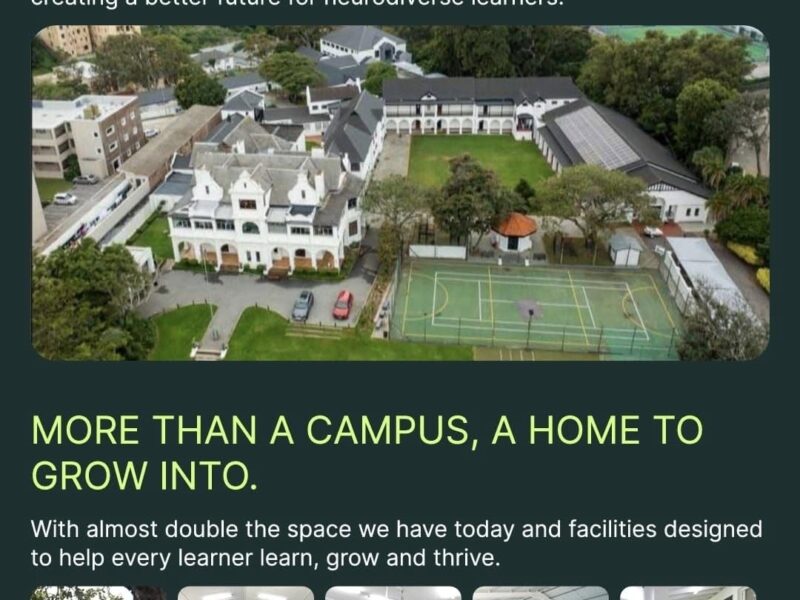
As a second time around parent to two Special Needs boys - one with mild Autism and one with ADHD deluxe I had a very rude (and earth shattering) awakening to this genre of education. My first two children excelled at traditional schools and went on to honours, masters and jobs that set them up for life. My second time around sons have enabled me to find the depths of patience that I never knew existed. Admittedly they turned my life around - the first major change was getting used to being woken up at 4:00 am day after day, week after week, month after month and year after year. Thankfully that has eased off dramatically and sleep deprivation is slowly being cancelled. Parents with Special Needs children have major added expenses in their lives - therapy, counselling, special schooling, medications that all result in tens of thousands of rands more per month than a comparable child in a traditional school. Try R9000 a month per child for schooling that offers one teacher per less than 10 children or over a thousand rand a month for chronic medication that NO private medical aid or government dispensary will cover and you start to see why special needs parents are 'heads down' and focused on surviving and creating an environment for their children that will allow them to thrive and join society in a positive manner when they leave school. The Saints of Elsen: My school mate, Mark Barclay, is the Headmaster at Elsen Academy and, as I say to him every time we chat; "Mark you are a saint with patience exceeding that of Job!" Imagine a few hundred special needs children under your care and you will understand why Mark and his dedicated staff are candidates for sainthood. Sainthood is probably an apt term as the Elsen Academy is presently housed in one of Ken Denton's buildings - the old Holy Rosary Convent, slap bang in the Central area. Now, Central has lost it's charm and feeling of safety as the drug dealers and prostitutes roam Bird Street - not …
Track Your Press Release HERE:
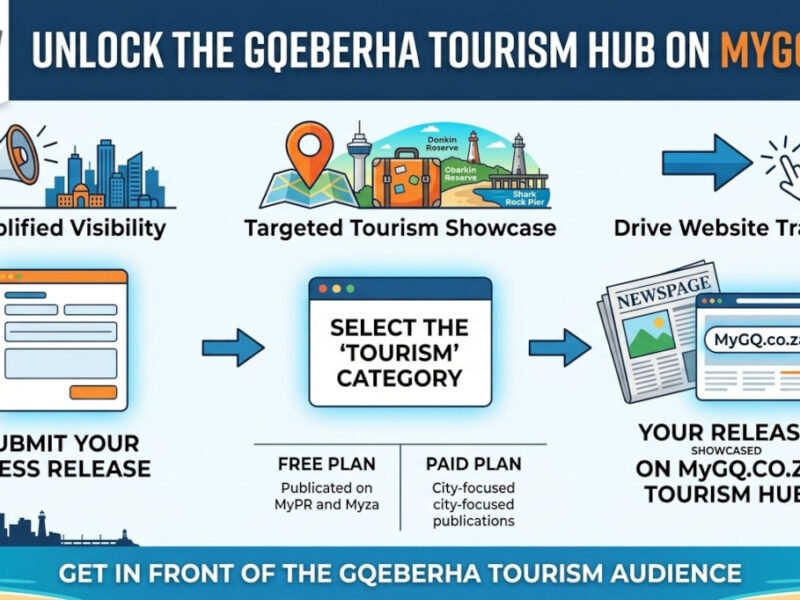
MyPR Expands Regional Reach for Tourism Promoters with Exclusive Gqeberha Showcase on MyGQ.co.za
GQEBERHA, Eastern Cape - MyPR, a leading South African press release distribution platform, is pleased to announce a strategic partnership with MyGQ.co.za, a dedicated digital hub for the city of Gqeberha. Effective immediately, tourism-focused press releases submitted to MyPR can now be automatically showcased in a specialized Tourism Hub on MyGQ.co.za. Travel Category: This new integration provides an invaluable and targeted visibility boost for the Eastern Cape’s vibrant tourism sector. To access this feature, tourism promoters, DMOs, accommodation providers, tour operators, and related businesses simply need to submit their releases through MyPR and select the “TRAVEL” category. When the Travel category is selected, the release is queued for showcase on the MyGQ.co.za Tourism Hub. The showcase will display a designated snippet of the release to capture interest, while crucially preserving all active hyperlinks that lead directly back to the full press release hosted on MyPR. This ensures maximum traffic and SEO benefit for the originator. “Gqeberha and the Eastern Cape have an incredible story to tell, and this partnership with MyGQ.co.za is a significant step forward in helping local tourism businesses tell it,” said Alan Straton at MyPR. “By simplifying the process to just ‘Submit and Select,’ we are providing a friction-free amplification channel that gets high-quality, relevant tourism news in front of a dedicated regional and national audience.” This Gqeberha showcase on MyGQ.co.za is a premium addition to MyPR’s existing robust distribution network. All releases, regardless of category, will continue to be published on the primary MyPR platform and MyZA, as part of the Free Plan. Submissions under the Paid Plan retain their established access to a diverse array of various city-focused publications. The partnership reinforces MyPR’s commitment to providing targeted, localized visibility solutions alongside broad national reach, empowering …
Track Your Press Release HERE:
Mandela Bay Ranked Third Most Murderous Capital – How We Will Turn That Around
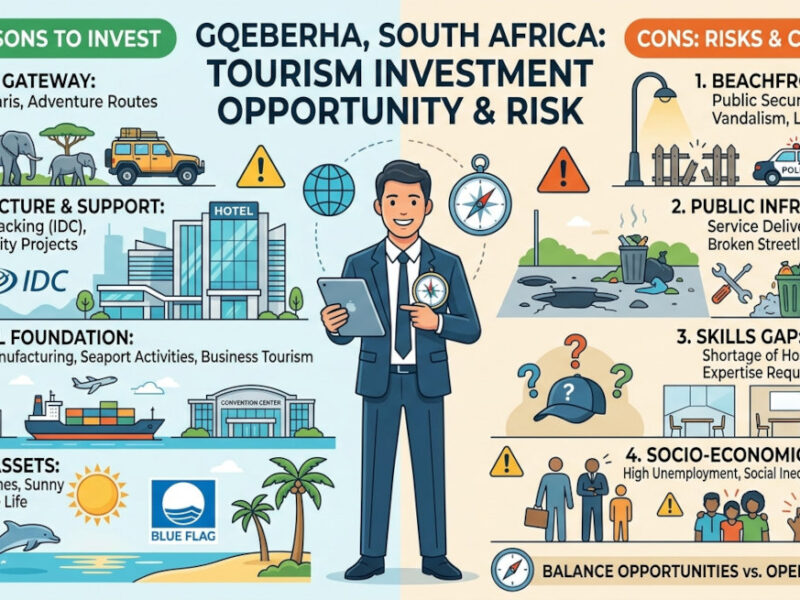
Nelson Mandela Bay recently received the dishonour of being ranked the third most violent city in the world, with a murder rate climbing into the triple digits - a first for any South African city ranked. The city made the shocking climb on the annual ranking compiled by the Mexican Council for Public Security and Criminal Justice in association with the Mexican Commission on Human Rights. This on the back of the Nelson Mandela Bay murder rate surging to a record 119.8 per 100 000 citizens in 2025. Puerto Principe in Haiti leads the pack with 197.43 murders per 100 000 citizens followed by Bebhayo, Ecuador with 166.02 murders per 100 000 citizens. How Do We Turn That Around? For many years Port Elizabeth was known as; "The Friendly City", "the Windy City", "The Family Friendly Destination". Then we moved on to being; "The Ghost on the Coast" with many residents saying; "Will the last one to leave PE please turn off the lights!" And yet, through all this, we prevailed, together. All through these dark times of political infighting and directionless City 'Leaders' we have clung to one small belief: "Together we can prevail". We no longer attract huge events, the Springboks throw us scraps, Bafana Bafana are nowhere to be seen, Ironman is teetering on the edge, business is jittery, our automotive industry is experiencing unprecedented challenges, our infrastructure is failing, our city is a mess and yet we still believe that we WILL prevail. Let's make no mistake here - we are seeking to accomplish the first task to recovery and that is to PREVAIL, growth and stature will come later. Why Invest in Gqeberha? Pros: Strategic Location and Gateway Status, Steady Sector Growth, Infrastructure and Development Support, Industrial Foundation, Climate and Natural Assets, Incentives for Sustainability Cons: Beachfront Safety and Vandalism, Public Infrastructure Reliability, Skills Gap, Socio-Economic Instability, Management and Policy …
Track Your Press Release HERE:
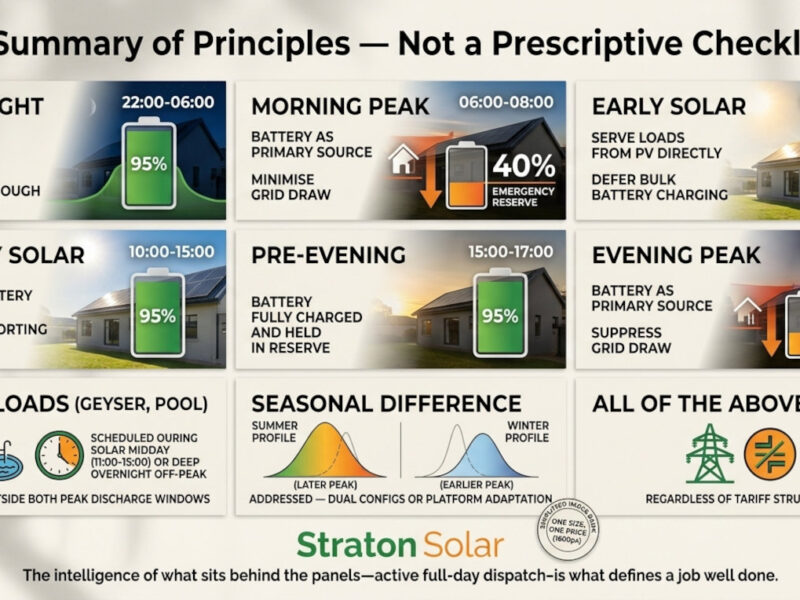
Solar Battery Efficiency Guide Stops Wasted Capacity and Optimises Your Dispatch Strategy
Guide shows the huge positive effect Solar has had on flattening the demand curve How every Solar Installer can optimise your electricity savings on TOU (Time of Use Tarrif) What the Full-Day Dispatch Model will do for your solar installation SA's embedded rooftop solar installation base is growing by over 1 GW per year Straton Solar have recently published a free guide for installers and users of solar energy showing just how dramatic an effect the installed base of Small Scale Embedded Solar Generation has had on flattening the midday demand curve. In addition a clear guide on ow to maximise your return using Solar Panels, Batteries and the TOU Tariff effectively. Click here for the entire report and interactive tables: https://straton.co.za/flattening-the-curve-what-every-solar-installer-needs-to-know/ and full article. What Flattening the Curve Actually Means A flatter load curve means less strain on generation and transmission infrastructure, fewer emergency generation events, a more stable grid frequency, and a lower average cost of electricity production for everyone. For your clients it means genuine energy independence at the moments that matter — morning and evening, every day, not just during load shedding. For the industry it means installations that can be pointed to as a demonstrated contribution to grid stability rather than a rooftop accessory that happens to reduce one person’s electricity bill. A brief Summary of Principles Not a Prescriptive Checklist The following summarises the intent behind each phase of the dispatch approach described above. How each is achieved depends on the inverter platform, site conditions, and available controls. The goal in each case is clearly stated; the method is for the installer to determine. Overnight: charge battery to ~95% using slow grid draw during low-demand hours Morning peak: battery as primary source; minimise grid draw; hold 40% reserve Early solar: serve loads from PV …
Track Your Press Release HERE:
Looking For Targeted South African Content?
I have been there - the constant grind looking for relevant South African content for an online publication can be frustrating, time consuming and expensive. MyPR offers a neat solution. The bottom line: Subscribe to the MyPR.co.za newsletter or use MyPR's targeted RSS feeds for automatic delivery. The long story: In 2010 we established MyPR for mainly selfish reasons - we needed content for a number of local news sites and brain stormed that conundrum until we came upon a win-win-win-bonus win solution for all. The concept remains simple to this day: Win 1: MyPR offers the opportunity for Public Relations Professionals to self submit press releases to MyPR. We get to publish and distribute those releases to our city specific titles. Win 2: The PR Professional gets a press release published and distributed, along with a proof of body of work for existing and potential clients. Win 3: Republication by any other content hungry media house is open and free - no permissions required and a handy and free REPUBLISH THIS facility (properly HTML formatted) is displayed alongside every release accessed from our newsletter. Bonus Win: MyPR gets to make a few rands when PR Professionals up their game and sign up for our Featured Release service. Whilst PR Professionals get maximum exposure from more publications. Don't forget that if you, as a PR Professional, are using media monitoring then your efforts are immediately multiplied 7-Fold with every release submitted to MyPR as a Featured Release. And that, if you are charging clients per mention, is a HUGE bonus win for you. …
Track Your Press Release HERE:

Part Six: Why Choose Straton Electrical for Your EV Charger Supply and Installation?
Trust the experts who power the Eastern Cape. Straton is the gold standard for EV charger installations. Powering the Eastern Cape: The Straton Advantage You wouldn't let an amateur service your car - why let one wire your charger? At Straton Electrical, we don't just install plugs; we build energy ecosystems. Trusted by the Best: We are the authorized installation partners for National Brands, industrial and automotive giants. Smart Integration: As Shelly experts, we can integrate your charger with your home automation, allowing for peak-shaving and intelligent solar-tracking. The CoC Guarantee: Every installation is fully certified, ensuring your home insurance remains valid and your system meets SANS safety standards. Our History: Established in 1966 by the late George Weston Straton (21 September 1938 to 5 June 1988) and now under the stewardship of his sons there probably isn't a business in Gqeberha that hasn't at some time benefitted from our service. George W. Straton was a pivotal figure in the Gqeberha (then Port Elizabeth) business community. While his father, John Weston Straton, had established a successful plumbing business, George decided to forge his own path in the electrical sector. In 1966, he founded Straton Electrical. His vision laid the groundwork for what has become a multi-generational family legacy in the Nelson Mandela Bay area. The business he started nearly 60 years ago has evolved significantly, expanding into renewable energy (Solar), smart home automation (Shelly), and even returning to its roots with the recent addition of Straton Plumbing. From East London to Gqeberha, we are the Eastern Cape's leading choice for the electric transition. The storm is here, but the solution is already on your roof and in your garage. From Gqeberha to the rest of the Eastern Cape, Straton is ready to help you navigate the transition. The Solar Multiplier (Straton Solar’s Secret Sauce): The ultimate "hidden" saving is the …
Track Your Press Release HERE:
Part Five: The Tipping Point – Verifiable Data on the Shift to EV
The "Perfect Storm" isn't just a catchy phrase; it’s a measurable market phenomenon. In the 48 hours following the CEF’s announcement of the R10.00 Diesel hike, market data has shown a seismic shift in South African consumer behavior. Search Volume Spikes: Google Trends data for South Africa shows that searches for "Electric Vehicles for sale" and "EV home charging cost" have increased by 420% since mid-March 2026. The "Fuel Hike" Correlation: Historical data shows that every time fuel crosses a R2.00/L increase threshold, inquiry rates for New Energy Vehicles (NEVs) at Eastern Cape dealerships jump by 35%. With a R5–R10 hike, we are entering uncharted territory where the "interest" is turning into "urgent acquisition." Local Manufacturing: Gqeberha is at the heart of this. With local giants ramping up EV/Hybrid production and imports, the supply chain is shortening. Verifiable sales data from 2025 showed NEV sales growing by 71% year-on-year, and 2026 is projected to double that as the "fuel-pain" threshold is finally breached. There is a direct statistical link between fuel price announcements and the volume of inquiries at Gqeberha dealerships. Consumers are no longer just "curious" - they are transitioning out of necessity. The "Perfect Storm" has turned the EV from a luxury into a logical financial hedge. Powering the Eastern Cape: The Straton Advantage You wouldn't let an amateur service your car - why let one wire your charger? At Straton Electrical, we don't just install plugs; we build energy ecosystems. Trusted by the Best: We are the authorized installation partners for National Brands, industrial and automotive giants. Smart Integration: As Shelly experts, we can integrate your charger with your home automation, allowing for peak-shaving and intelligent solar-tracking. The CoC Guarantee: Every installation is fully certified, ensuring your home insurance remains valid and your system meets SANS safety standards. From East …