

Afroteq Advisory, a subsidiary of the AFMS Group and one of South Africa’s leading providers of integrated facilities management services and professional services in the built environment sector, has expanded its service offering in the Occupational Health and Safety (OHS) sector by acquiring a division of OHS Africa. The new division is called OHSAfroteq and forms part of the company’s strategic services that enable executive and senior managers to make informed and strategic decisions about their facilities environment. A major milestone for the AFMS Group “Over the past few years, we have identified that our clients (particularly those in the built environment sector) are experiencing a growing need for expert occupational health and safety advice. We are therefore very excited to be able to expand our existing Occupational Health and Safety Management System (OHSMS) that is aligned to ISO45001:2018 standards, into a fully-fledged, stand-alone division that is integrated with our Quality Management System (QMS) and operational practices and service agreements. Launching OHSAfroteq is a major milestone for our company and achieves an important strategic objective that we have been working towards for quite some time,” says Andre Michau, a Director of Afroteq Advisory. Growing need for OHS specialists Broadly speaking, occupational health and safety workers are responsible for maintaining a safe working environment. It is therefore a function that sits comfortably within the scope of facilities management, as it enforces health and safety legislation, manages risk, focuses on improving employee productivity and reduces liability. “In South Africa, as is the case in the rest of the world, we have seen a sharp increase in the number of new laws and regulations being introduced under the Occupational Health and Safety Act (OHS Act) of 1993 which are aimed at safeguarding the rights, health and well-being of both the employer and employees. This Act has …
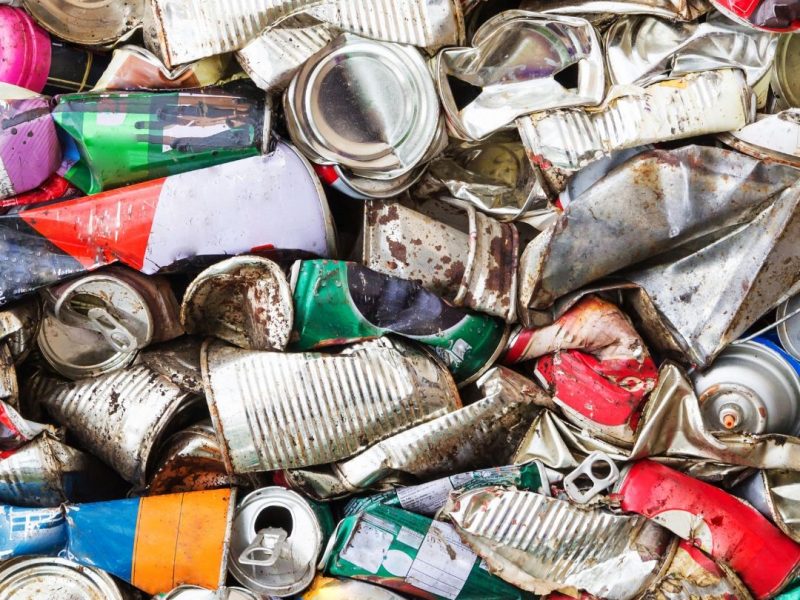
LOCKDOWN REGULATIONS: A BLIGHT FOR SA METAL PACKAGING INDUSTRY
Prior to the nationwide COVID-19 lockdown, started on 27 March 2020, the country’s collection and recovery rate of post-consumer metal packaging (aluminium and tinplate) was estimated at an impressive 75.8%, as reported by BMi Research. The national five week lockdown constrained the usual material recovery processes and MetPac-SA projects that this will certainly impact on the recovery rates, not only of metal packaging, but of post-consumer packaging material in general, in the 2020 manufacturing year. “Although recyclable waste was still collected out of some neighbourhoods during Level 5 of the lockdown, waste management companies, scrap merchants and organisations such as Collect-a-Can were unable to process or sell the waste to recyclers. Also of great concern was the plight of informal waste pickers and reclaimers who were suddenly unable to collect materials and left without an income,” says Kishan Singh, CEO of MetPac-SA. MetPac-SA and its members heeded the call to financially support the waste picker livelihood and in a matter of days, over three-quarters of a million rand (R785 000) was raised collectively by the Producer Responsibility Organisations (PRO’s) and Packaging SA, in collaboration with the Department of Environment, Forestry and Fisheries (DEFF). This money was used to purchase electronic food vouchers for registered waste reclaimers. Assessing the impact of the lockdown “It is still too early to calculate the exact impact of the lockdown regulations on the metal packaging industry and we expect to have a more accurate picture of how our members were and will further be affected by the lockdown regulations, during the second half of 2020,” says Kishan. Overnight and with little warning, alcohol sales were banned in South Africa. This resulted in a dramatic drop in the amount of beer and other alcoholic beverage cans being produced and placed thousands of jobs at stake. Moreover, can makers and fillers were left with excess raw …
Track Your Press Release HERE:

Afroteq Academy Takes Specialist FM Courses Online
Afroteq Academy, the SETA and QCTO accredited training division of Afroteq Advisory, a subsidiary company of AFMS Group, has announced that it has made training courses available online in response to the Covid-19 outbreak. “We recognised the importance of meeting the needs of our learners and industry professionals by helping them navigate the unprecedented changes to daily routines and personal lives brought on by COVID-19. As with everything else in life, great opportunities are often disguised as unexpected challenges. The extended period of lockdown has created the ideal opportunity for Facilities Management (FM) professionals to further their career paths by studying online, working at their own pace, from the comfort of their home or anywhere in the world – making use of the stable, interactive BraineBox online platform,” says Portia Tsakane Mkhabela, Manager at the Afroteq Academy. Afroteq Academy is an all-inclusive FM training provider and a specialist in the built environment. Accredited by the South African Facilities Management Association (SAFMA), it has gained a well-earned reputation for being one of the country’s leaders in equipping and empowering the FM industry since 2002. “We are passionate about helping professionals in the FM field and/or built environments grow and reach their full potential. To this end, our range of specialised facilities management qualifications, training programmes and workshops are aligned to the FM ISO 41001:2018 and ISO9001:2015 standards. Our Occupational Certificate in Facilities Management is one of the first to be accredited by the Quality Council for Trades and Occupations (QCTO). We are excited to build on these successes by making the majority of our material available online and at a specially discounted rate,” Portia explains. The following courses are now available online: • Modules 1,2, and 7 of the Occupational Certificate: Facilities Management (NQF Level 6) • National Certificate: Generic …
Track Your Press Release HERE:
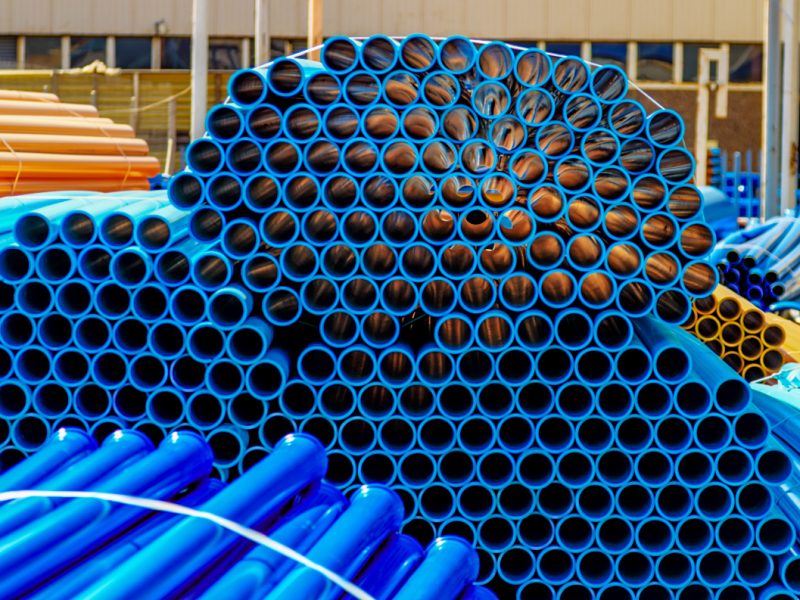
SAPPMA Urges Government To Allow Pipe Manufacturers To Re-Open Their Doors If Infrastructure Is To Be Maintained
The Southern African Plastic Pipe Manufacturers Association (SAPPMA) – the standards body for the local plastic pipe industry, is urging Government to allow its members to reopen their manufacturing facilities four weeks into the national COVID-19 lockdown. “Safe drinking water is a prerequisite for protecting public health and all human activity. Properly treated waste water is vital for preventing disease and protecting the environment. The plastic pipe industry is therefore undoubtedly a critical sector that is relied upon by communities around the country for water distribution and sewage disposal, as well as by agricultural and mining operations who recently received the go-ahead to resume their operations,” explains Jan Venter, CEO of SAPPMA. Repeating their concern about large segments of the country’s population that still do not have access to clean water for drinking, cooking or sanitation, SAPPMA said frequent hand washing with soap and clean water continues to be one of the first lines of defense against contracting the highly contagious Coronavirus. As an emergency measure, the Government purchased 18 875 water tanks to make clean water available to remote areas. To date, however, only half (7 689) of these tanks have been installed four weeks after the declaration of a state of disaster. “Whilst these tanks are a step in the right direction, it is only a temporary solution. The country desperately needs a reliable network of water and sewage pipes capable of serving the whole population. Permanent, piped water should be made available to these communities as a matter of urgency,” Venter stressed. Several neighbourhoods in Port Elizabeth experienced the impacts of failing water infrastructure first hand shortly after the lockdown started. A critical pipe which supplied reservoirs in the city failed, causing reservoirs to drain and forcing people to queue to get water from tankers. The same could happen in municipalities around the country …
Track Your Press Release HERE:
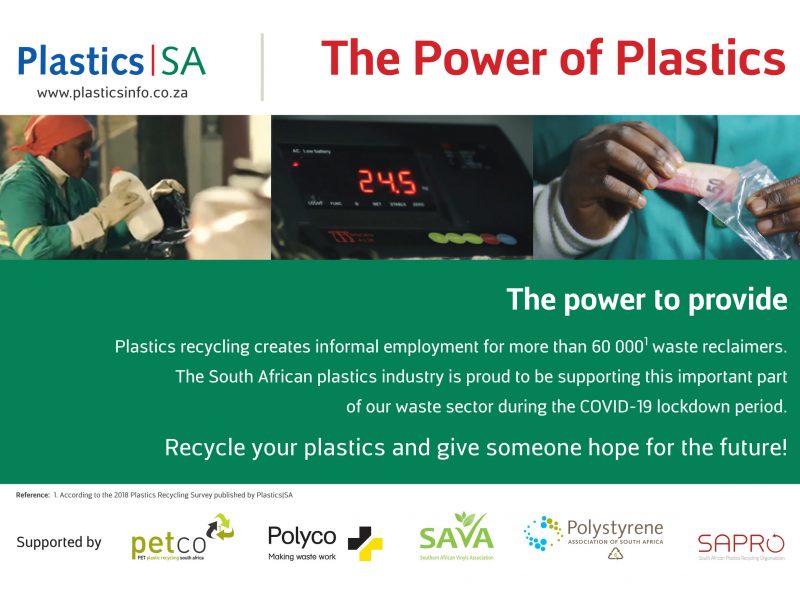
Plastics Industry Shows Its Support For Waste Pickers During COVID-19 Lockdown
South Africa has close to 60 000i waste pickers who play a substantial role in the country’s waste management industry. As part of the country’s informal waste sector, they help recover recyclables from household waste streams, as well as waste materials sent to landfill sites. With the country in a national lockdown due to the COVID-19 outbreak, these waste reclaimers suddenly and unexpectedly found themselves unable to put food on the table due to the fact that economic activity was limited to essential food and health products or services only. “It became clear that South Africa is not only facing a global health pandemic, but increasingly also the possibility of a humanitarian crisis as these waste reclaimers are no longer allowed to work and earn a living,” says Anton Hanekom, Executive Director of Plastics|SA – the umbrella body representing all sectors of the South African plastics industry - including polymer producers and importers, converters, machine suppliers, fabricators and recyclers. Despite the fact that many role-players in the plastics industry are suffering financial losses during this time as they had to either close down or greatly reduce their operations, Plastics|SA, the plastics PROs, the other packaging PROs and Packaging SA rallied together to donate funds when the request was made by Packaging SA. Working in close partnership with the Department of Environment, Forestry and Fisheries (DEFF) and in support of the members of the two associations representing the waste pickers/reclaimers, i.e. the South African Waste Pickers Association (SAWPA), African Reclaimers Organisation (ARO), a total amount of R785, 000.00 was collected within a matter of days. These funds will now be used to purchase electronic food vouchers that will be sent to the collectors who are on the DEFF database via cellphones and can be redeemed at major supermarket retailers. “We felt deeply affected by the dire and uncertain circumstances these waste reclaimers, …
Track Your Press Release HERE:
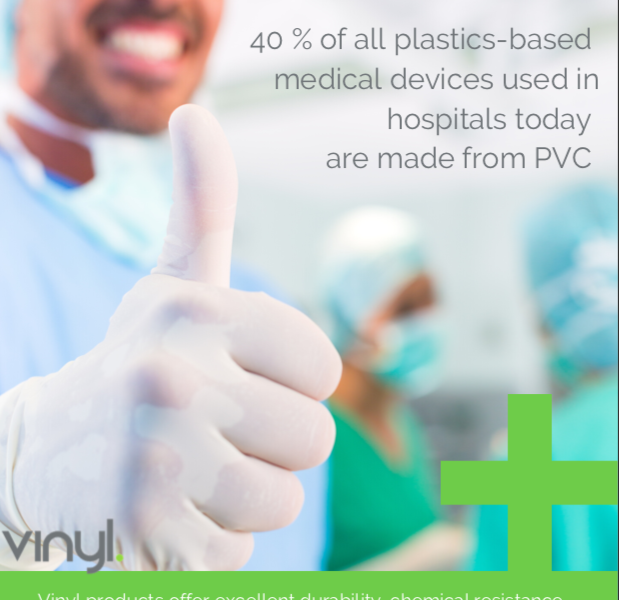
SAVA Highlights The Vital Role Of Vinyls In Hospitals And Healthcare Environments
Polyvinyl Chloride (PVC) is one of the most commonly used plastics in the world. Because of its versatility, vinyl plastics have a myriad of uses and applications in building and construction, automobiles, appliances and electronic parts, in wire and cable insulation, packaging and in various consumer products. For over 60 years, vinyl has been used extensively in hospitals and the healthcare environment where it has allowed patients and healthcare professionals to access an ever-widening range of medical applications. “Vinyl products offer excellent durability, chemical resistance, low maintenance costs and affordability – making them the top choice when it comes to hospitals, healthcare facilities and other areas where hygiene, reliability, safety and comfort are of paramount importance. Because they retain product integrity under hot and cold temperatures, vinyl products can easily be sterilised. They are highly flexible and minimise interruptions to fluid flow because they do not form kinks in tubes. As a result, approximately 40 % of all plastics-based medical devices used in hospitals today are made from PVC,” says Adri Spangenberg, CEO of the Southern African Vinyls Association (SAVA) – the industry body representing the local vinyls industry value chain. Vinyl products are widely manufactured in South Africa and can be rigid or flexible, thick or thin, transparent or coloured. The two main application areas for medically-approved PVC compounds are flexible containers and flexible medical tubing. “Flexible PVC is considered the material of choice for items such as blood bags and other non-breakable containers. Because the material is soft, it is also comfortable – making it the best choice for use in neo-natal wards for newborn and premature babies, medical gloves and protective sheeting. Although it is light, it is also incredibly strong, durable and almost impossible to tear, yet can be easily be disposed in order to prevent cross-contamination,” …
Track Your Press Release HERE:

Plastics Industry Urges Government To Classify Its Manufacturing Sector As “Essential Workers” Ahead Of National Lockdown
Plastics SA, the umbrella body representing all sectors of the South African plastics industry (including polymer producers and importers, converters, machine suppliers, fabricators and recyclers), is urging the Government to classify certain of its sectors as essential workers. This comes in the wake of President Cyril Ramaphosa’s announcement made on Monday night that the nation will be locked down from midnight on Thursday until April 16 as part of efforts to protect millions of citizens from the life-threatening Covid-19 virus. According to Anton Hanekom, Executive Director of Plastics SA, the plastics industry is vital in keeping the country running, ensuring that food and other essentials are available on supermarket shelves and that the healthcare system is supplied with all the materials and equipment they need to fight the disease. “Now, more than ever before, plastics are essential to protect South Africans against viruses and germs, extend the shelf-life of products and provide critical infrastructure. If manufacturing in these industries are forced to shut down for the next three weeks, the plastics sector will not be able to meet the demand,” Hanekom warns. Since the first case of the Corona virus was reported in the country a few weeks ago, the plastics manufacturing industry has seen a dramatic increase in demand for products across the sector. “Panic buying by consumers who are stocking up on groceries, cleaning materials, hand sanitisers etc. has forced packaging manufacturers to work at full capacity in order to keep up with the demand, whilst the medical industry has also seen a sharp increase in orders placed for IV bags, tubes, oxygen masks, gloves and protective gear and packaging for medicine,” Hanekom says. He predicts that this growing demand for plastics products will continue to escalate over the next three weeks as people are no longer allowed to visit restaurants and will be forced to prepare their food at home. “It is …
Track Your Press Release HERE:
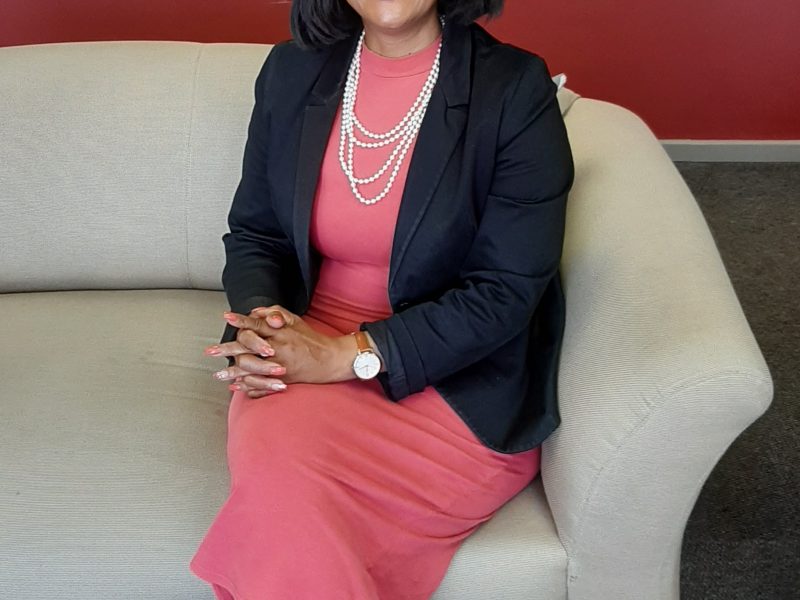
Quality Council Gives Afroteq Academy The Thumbs Up For New Occupational Certificate In Facilities Management (OCFM)
Afroteq Academy, the SETA accredited training division of the AFMS Group, has obtained accreditation by the Quality Council for Trades and Occupation for its new Occupational Certificate in Facilities Management (OCFM) - NQF LEVEL 6 (143901). Afroteq was the first training provider to be accredited by the Southern African Facilities Management Association (SAFMA) in 2002, and has since gained a well-earned reputation for being one of the country’s leaders in equipping and empowering the Facility Management industry. Explaining the significance of this approval, says Portia Mkhabela, Manager at the Afroteq Academy: “The Facilities Management landscape has become highly specialised and competitive in recent years. No longer regarded as a basement job, Facility Management is a fast-growing profession around the world. Trained and qualified FM Managers are in high demand, and we realized the importance of offering an academic qualification that would not only equip our industry leaders with skills and knowledge that are practical, cutting-edge and relevant, but would also be internationally recognised”. The process of developing such a formal qualification for the FM industry was set in motion by SAFMA two years ago. Afroteq was part of a team of FM experts who developed this outcomes-based programme specifically for the industry, by the industry. “Facilities Managers enable sustainable enterprise performance through managing productive workplaces and ensuring effective business support services. As a result, they are required to juggle many different responsibilities on any given day enabling the strategic objectives of the business. Facility Managers must understand and have insight into a company’s operational and strategic elements in order for them to plan and execute their responsibilities effectively and optimally. For this reason, it was important for us to have a qualification developed that would equip Facility Managers with the skills and knowledge …
Track Your Press Release HERE:
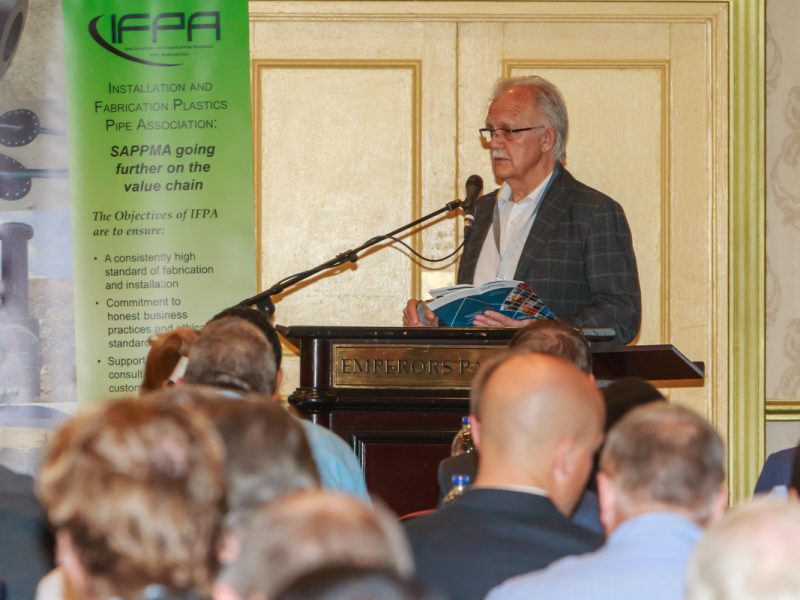
South Africa’s Water Woes: There Is Still Time To Address The Infrastructural Problems
This past week’ South Africa’s worsening water crisis was firmly in the focus of President Cyril Ramaphosa and his government. In an open letter published in the media, the President painted a grim picture of the country’s threatening water woes. “Our existing water systems are already over-exploited as usage increases rapidly due to population growth and as more homes get connected to water. Combine this with the worsening effects of climate change and we are clearly facing a dire situation. Unless we take drastic measures to conserve water sources and promote efficient use, water insecurity will become the biggest developmental and economic challenge facing this country. Our current energy challenges will seem small by comparison. Unless we act now, we may not have water anywhere,” the President warned. Human Settlements, Water and Sanitation Minister Lindiwe Sisulu announced a few days later that South Africa intends spending R900 billion over the next decade to improve its water-supply and storage infrastructure and tackle a growing shortage of the resource. She also announced that a separate unit will be established to finance, manage and operate the national water infrastructure, while projects that are currently in the works will be expedited. Commenting on these latest developments, the Southern African Plastic Pipe Manufacturers Association (SAPPMA) said they are relieved that the government is finally recognising the seriousness of the problem and are making the necessary resources available to upgrade the country’s resources, but added that they were frustrated that we have reached this point of desperation. “There is no doubt that the impact of this current crisis could have been reduced – if not completely avoided,” SAPPMA CEO Jan Venter said. He conceded that whilst drought and climate change might have aggravated the problem, a major cause is the country’s failure to upgrade and maintain its water pipes and infrastructure over the last …
Track Your Press Release HERE:
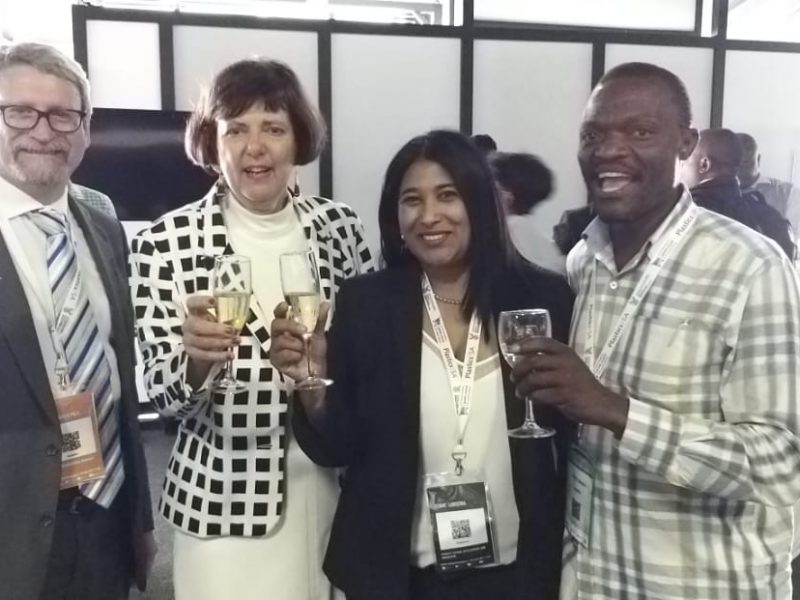
Industry Upbeat And Hopeful Following Success Of Plastics Colloquium
Plastics SA, the umbrella body representing all sectors of the South African Plastics Industry (including polymer producers and importers, converters, machine suppliers, fabricators and recyclers) has congratulated the Department of Environmental Affairs, Forestry and Fisheries (DEAFF) on the hosting of a very successful Plastics Colloquium in Boksburg recently. According to Anton Hanekom, Executive Director of Plastics SA, they applaud DEAFF Minister Barbara Creecy’s pro-active approach, openness and willingness to learn first-hand about the many successful projects that the various role-players in the plastics industry have initiated and been running over the past 10 years. “As an industry, we have been the first to acknowledge the need to reduce the impact plastics have on the environment and ensure that plastic litter does not end up in our oceans, water sources or anywhere in nature. To this end, Plastics SA and the four plastic Producer Responsibility Organisations (PROs), namely Petco, Polyco, SAVA and the Polystyrene Association of SA have launched various recovery and recycling projects, with which we have had great success. It was encouraging that Minister Creecy created an opportunity for the industry to showcase these achievements to her, her department and other environmental groups. Instead of blindly bowing to the pressure of anti-plastic campaigners, she expressed a willingness to engage with us,” Hanekom says. An estimated 500 people representing the entire plastics value chain attended the Plastics Colloquium on the 21st and 22nd of November, which was presented in collaboration with the Consumer Goods Council South Africa (CGCSA) and Plastics SA. More than 50 exhibitions demonstrated the plastics industry and other stakeholders’ commitment to Extended Producer Responsibility, recycling and creating a circular economy. Attendees represented government, civil society, brand owners, recyclers, waste management companies, waste pickers, NGO’s …