
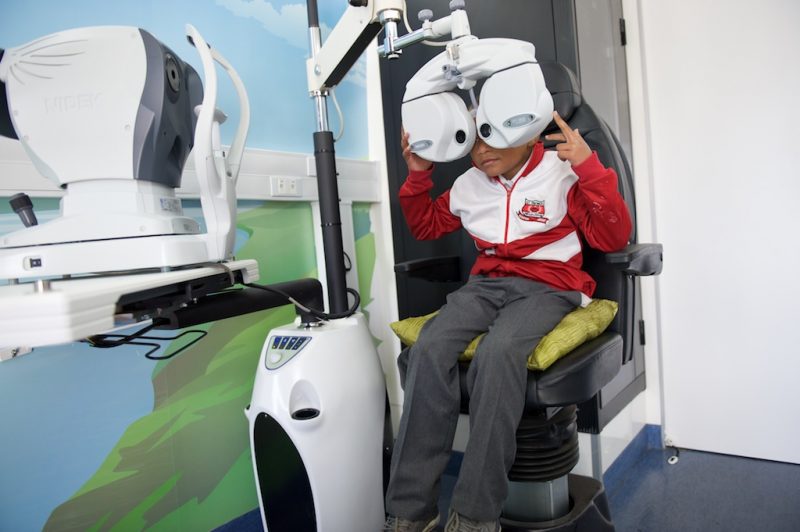
For most of us, being visually impaired means going to an optometrist and having the correct glasses prescribed. Unfortunately, thousands of people in South Africa, and millions globally, do not have access to these services due to a lack of funds or services in their areas. Despite the fact that the restoration of sight and blindness prevention strategies have been proved to be amongst the most cost-effective interventions in healthcare, according to the International Agency for the Prevention of Blindness. A joint report published in June of this year by the World Economic Forum, the Schwab Foundation for Social Entrepreneurship, and EYElliance, states the world economy suffers a $227 billion shortfall every year due to lost productivity among adults who need glasses. According to the report 2.5 billion people are living with poor vision unnecessarily because they do not have corrective eyewear. Of these, 80% are living in developing countries. Providing affordable access to reading glasses alone would boost productivity by up to 34% and bring down levels of illiteracy, which costs the global economy $1.19 trillion a year. The effects of not having access to eye care and reading glasses are equally disruptive to children and can lead to impaired academic, sport and social performance. For this reason, a visual screening is included in the Integrated School Health Policy for children of all ages attending South African schools. The government has also implemented a mobile primary healthcare service, where mobile clinics travel to rural schools to deliver these services. At the moment, the company at the forefront of this drive is Mobile Schools Health (MSH), a subsidiary of Mobile Satellite Technologies (MST), the market leader in the provision and operation of specialised mobile vehicle solutions in South Africa. According to MST CEO, Fernando Acafrao, they create beneficial public-private partnerships between the government and sponsors such as Eskom …
MSH changes lives at Wemmershoek Primary
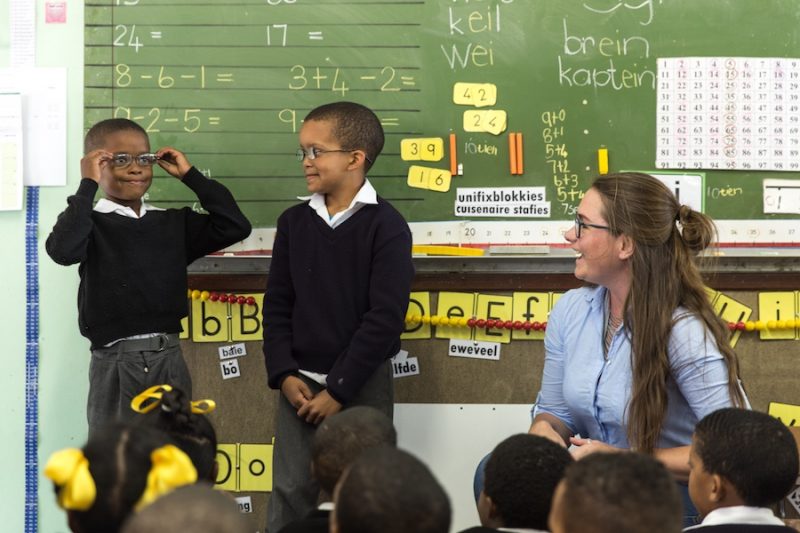
Mobile Schools Health (MSH), a subsidiary of Mobile Specialised Technologies (MST), had the privilege of delivering glasses to two children who were examined at our recent visit to the Vrede en Lust Wine Estate in Franschhoek for the Young Presidents’ Organisation (YPO) Gold education event. During this event, MSH worked with local children from Wemmershoek Primary School to showcase their work to members of the organisation. The glasses were delivered to Jayrin and Logan, two vibrant and friendly youngsters whose happiness and excitement were contagious. While at the school to deliver the glasses, MSH representatives took the opportunity to talk to the school principal, Mr Christopher Boonzaaier and learnt more about the challenges that learners and community members face every day. According to Boonzaaier the closest clinic to the school is at Groendal, approximately 10km away, and a visit there can keep a child out of school for a whole day. This, combined with a range of other factors, make the MSH service incredibly valuable for schools such as Wemmershoek. The MSH focus is on preventative healthcare and provides optometry, dental and primary healthcare examinations to children at their schools. This means learners don’t have to miss a day of school for a basic check-up and their parents do not have to miss a day at work to take their children to school. “I think, for now, looking after the main things like eyes, teeth and a general examination, is valuable. If there’s anything wrong it can be found at a very early stage,” says Boonzaaier. Handing over glasses to the children was a humbling experience. Kim Spencer, sales manager of MSH, says easily accessible quality healthcare is often taken for granted by most people but it is a very different scenario for these learners. She continues: “On a daily basis, these learners face barriers to learning, including poor health and eyesight which has a direct impact on their learning in the classroom as well …