

At a time when urgent action is needed on issues like climate change, resource depletion and social upliftment, the insightful Swedish documentary "Outgrow the System" gives voice to innovative ideas and on-the-ground experiments that question the economic status quo. The thought-provoking film explores new perspectives with the potential to positively transform our society and relationship with the environment. "Outgrow the System" is set to premiere in Cape Town as a community event on February 8th, presented by Animarem, in collaboration with Workshop17 and partners, including the Wellbeing Economy Alliance. Beyond mainstream debates, the film celebrates the worldwide abundance of creativity addressing the core of how we organise production and consumption. It envisions a united global movement backing positive pathways to building an economy that supports life. “Rather than resign ourselves to an uncertain future, the film shows us that there are innovative people around the world working to create solutions that offer new ways to create and sustain value within our planetary boundaries”, remarks event host Tom Fels, founder of Animarem. The screening will include a live, interactive Q&A with Co-Directors Cecilia Paulsson and Anders Nilsson, and is motivated by the idea of promoting essential discussions in the local business ecosystem. In an ever-evolving world, systems change is becoming an inevitability, yet consensus on exactly what the best model and philosophy of our economy should be remains up for debate. “What is clear is that we need to expand our thinking to grow a vision of a sustainable future together. In my opinion, the role of business leaders and entrepreneurs in particular should be instrumental in forming a life-affirming economy that meets our needs, but also responsibly champions the interests of future generations”, ends Fels. See details at …

Travel: LUX* Belle Mare feasts on authenticity
A tapestry of flavour at the re-launched LUX* Belle Mare As LUX* Belle Mare opened its welcoming arms once more, revealing an exquisite revival post its temporary closure, it is almost a serendipitous event that the charming property reopened its doors on 1st October 2023, echoing its initial debut on the very same day in 1999. While many innovations popped out upon my return to the property, perhaps the most prominent was the depth of flavour across a re-energised food and beverage proposition. Gerhard Hecker, the resort’s General Manager, has been extensively exposed to rich, authentic culinary and hospitality experiences, especially from the East. “Our CEO, Paul Jones, had a clear vision from the start – not to change for the sake of change. It was about building on the existing success formula and enhancing it, with a sharp focus on creating new, extraordinary experiences, especially within food management.” This philosophy threads through the veins of LUX* Belle Mare. Though the aftermath of the unforeseen closure was met initially with a stilled pause, self-financing enabled a meticulous reconstruction, masterfully spearheaded by architects and designers, including Jean-Francois Adam and Jean-Marc Tang, who brought an international flair grounded in local availability. Lobby Gerhard, sharing memories of the launch, commented, “It was poignant, opening again in October, just like when it first graced the world in 1999. Working with Jean-Francois, who was not only available but brought 30 years of international expertise from his time in the States, ensured a superlative product.” One unique aspect that reveals Gerhard’s intimate connection with Asian philosophy is his emphasis on Fung Sui principles, especially noticeable in the thoughtful curvature of the entrance, avoiding a direct in-and-out and embracing the ideology of allowing prosperity to flow through spaces effortlessly. “With 30 years in Asia, I witnessed how integral Fung Shui …
Track Your Press Release HERE:
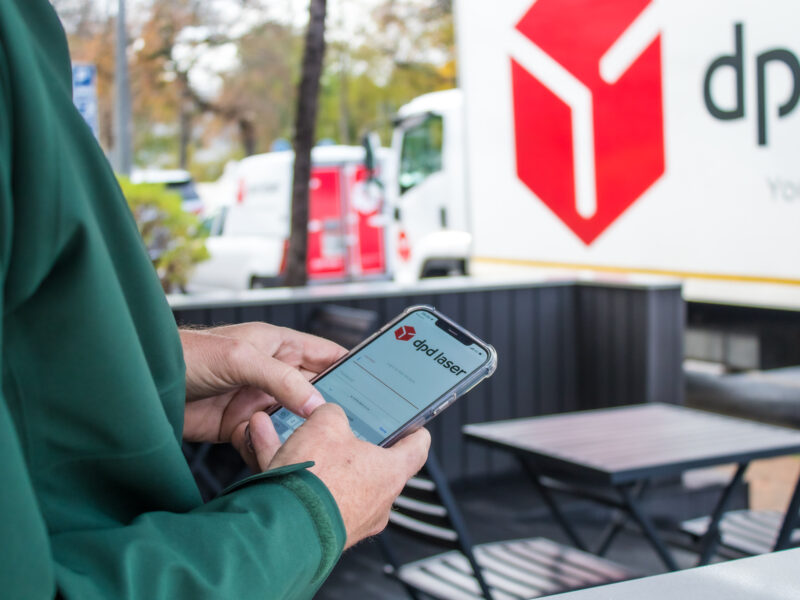
One million parcels delivered: Cotton On and DPD share a momentous partnership milestone
In South Africa's rapidly evolving e-commerce sector, the crucial role of last-mile delivery is increasingly prominent. As online shopping becomes more prevalent, efficient and reliable delivery services have become pivotal. The strategic alliance between Cotton On, a prominent fashion retailer, and DPD ZA, a leading logistics provider, particularly in handling over one million parcels and mastering the demands of Black Friday and Cyber Monday 2023, offers a compelling case study in this landscape. The Partnership: Cotton On Group Perspective Phil Marais, Head of Supply Chain at Cotton On Group (Africa and Brazil), reflects on the significance of their partnership with DPD: "Delivering our millionth parcel this year with DPD marks a significant milestone, underpinned by mutual trust and an ongoing relationship that has encouraged our customers to place more orders. Our collaboration is strategic and a source of pride, driving us to continually enhance service delivery to our customers.” Marais also discusses the post-pandemic retail environment: "The pandemic brought fluctuations in consumer shopping habits, but we've now achieved a more stable and seamless service. The week before and during Cyber Monday this year was our best performing period, showcasing the success of our coordinated efforts with DPD." Insights from DPD ZA Devon Light, Chief Operating Officer at DPD, shares his perspective: "Our partnership with Cotton On Group transcends traditional business transactions. It's founded on mutual trust and a shared commitment to outstanding customer service. Our preparation for the expected surge was robust this Black Friday, ensuring that each delivery enhanced the customer's overall experience." Light underscores the role of technological innovation in their operations: "Adopting advanced technology to manage deliveries has been key to our efficiency and transparency. This, coupled with our deep understanding of the South African market, …
Track Your Press Release HERE:

Cricket hits a six with new SA tech-driven fan experience
Cricket hits a six with SA tech-driven fan experience Johannesburg, December 19, 2023 – Amidst the backdrop of South Africa's 8-wicket defeat against India in the Pink Day One Day International, Zapper and its partners DP World Wanderers Stadium introduced an innovative fan experience system in South Africa yesterday. This innovation, particularly poignant given the match's outcome, allowed fans to immerse themselves in the game without missing a moment. At one stage, had you left your seat for food and beverage, you would have missed three wickets leaving South Africa at 57/6. Innovative Payment and Ordering System Zapper's CEO, Mike Bryer, reflected on the day's events: "It was a tough day for the team today. But, ironically, it was a day that you couldn't afford to leave your seat for long, due to the pace of the match itself. Our new QR code-based ordering system meant fans didn't have to leave their seats, a small consolation as the team faced a tough challenge on the field. We're proud to have provided a service that enhanced their experience, even during some pretty tense moments." Enhancing Fan Engagement in Trying Times Brecht Mohonathan, CFO of Lions Cricket Union, added, "In a game where every second was crucial, our digital solution ensured fans could stay glued to their seats, supporting the team, while still enjoying the amenities of the stadium. So, embracing the fourth industrial revolution, we are embracing the use of digital technology and understanding the needs of our fans from a digital perspective. We continue to deepen our full fan experience with a one stop solution through a single app where you can make your ticket purchases, your food and beverage purchases, before you enter the match and collect it at the stadium or have it personally delivered to your seat. It has been great to work with Zapper on this." A Future of Digital Integration in Sports The successful implementation of this digital initiative marks a significant …
Track Your Press Release HERE:

How SA’s delivery drivers handled Black Friday
As South Africa's e-commerce sector continues its robust growth, the post-Black Friday period offered a critical litmus test for logistics companies. DPD, a leader in the express courier industry, faced this challenge head-on, navigating a 22% increase in parcel volumes compared to the previous year. This surge in demand, a direct result of the consumer trend (57% of South Africans) to delay purchases for Black Friday sales, as indicated by GfK, placed an unprecedented strain on delivery services, underscoring the importance of last-mile trust in e-commerce. Devon Light, Chief Commercial Officer of DPD, delves into the company's strategic approach: "In the e-commerce ecosystem, the final step of delivering a parcel – the last mile – is where customer trust is won or lost. After Black Friday, our focus remains on trust through efficient, reliable delivery services. On the Monday alone after Black Friday we delivered 40% more parcels than our current daily average.” Operational Strategies for Peak Season The company's operational readiness for the post-Black Friday rush involved keeping all branches active throughout the weekend, ensuring deliveries on Saturdays and Sundays to ease Monday's load. Light elaborates, "By proactively managing our last-in, first-out freight and increasing our temporary staff, we typically ensure a 98% on-time delivery rate, even under heightened pressure." Adapting to E-Commerce Demands DPD's response to the surge involved a weekend-long operational sprint. By keeping all branches active and increasing temporary staff, the delivery specialists sought to mitigate the Monday delivery rush. Light explains, "The aim was to avoid delivery bottlenecks, a common issue in e-commerce logistics, especially during peak shopping periods like Black Friday." In a world where e-commerce evolves rapidly, Light emphasizes the importance of meeting customer expectations: "The receiver holds the reins in today's e-commerce landscape. It's …
Track Your Press Release HERE:

SA’s payments gold mine: The alchemy of data into growth
The African payments industry, by furnishing diverse, robust and user-friendly platforms, is catalysing entrepreneurship and financial independence, while also enhancing income for entrepreneurs. Over the past five years, mobile payments have seen tremendous growth in South Africa. As of 2023, the South African mobile payments market is estimated to be worth $25 billion, with a remarkable 68% of the adult population using this service. This demographic breaks down into 30% young adults (ages 18-30) and a surprising 35% from the older age group (ages 50-70), underscoring the widespread acceptance and usability of the technology and acting as a pillar of our economy. Just one example: QR code technology has revolutionised payments in South Africa. QR codes, which can be scanned using a smartphone camera, store vendor payment information, making transactions quick, secure, and hassle-free, have become an invaluable tool for microtransactions, with over 40% of South Africans using them regularly for payments as of 2023. The beneficiaries of this digital revolution are as diverse as they are numerous. Whether it’s the patient car guard now accepting digital payments for a safer, more seamless transaction, burgeoning e-commerce merchants leveraging these platforms for their online operations, or even local food vendors, craftspersons, and informal taxi services adopting these digital payment methods to streamline their operations and add a touch of professionalism, the transformation is sweeping and heartening. Zapper, the home-grown South African fintech player, has etched a unique space in the e-commerce realm with its pioneering payment solutions. Since its inception in 2013, and with a reach of in excess of 15 million consumers, Zapper has been a beacon of innovation and resilience. As a key influencer in the QR payment landscape, Zapper altered the contours of the traditional payment sector, introducing secure, cost-effective, and user-friendly mobile …
Track Your Press Release HERE:

Grow Hope Hands Over R30,000 Cheque To Soil For Life
Cape Town, 11 June 2023 – Amidst the ongoing challenges faced by South Africa, Grow Hope, a nation-building initiative, takes a significant step forward by handing over its first cheque of R30,000 to Soil for Life, a non-profit organization (NPO) dedicated to training local community gardeners in Cape Town. The cheque was received by Cindy Buské, the CEO of Soil for Life, during a heartfelt ceremony held at their premises. Rampant food insecurity is among the many social and economic issues in South Africa that has shaken our collective optimism. However, against what seems like a pervasive backdrop of negativity, a group of purpose-driven pioneers emerged, determined to make a positive contribution to the country through Grow Hope. Entrepreneur Tom Fels, along with several collaborators, founded the initiative as a shared-value platform that harnesses the power of creativity to uplift national sentiment. Grow Hope unites artists and brand sponsors to seed city artworks with messages of hope and togetherness, displayed on large-scale billboards as part of a synchronized outdoor media campaign. These artworks, once their purpose is fulfilled, are recycled into vegetable grow-bags by Growbag Upcycled, a social enterprise. The recent commitment to Soil for Life saw over 180 of these bags being donated to trainee community gardeners, along with a financial contribution for the non-profit to expand their work. With the support of its partner, Tractor Outdoor, Grow Hope has gained access to a national network of billboard sites, enabling the Hope billboards to already reach over 1 million South Africans. The colourful and inspiring artworks displayed daily serve as a beacon of motivation in an otherwise gloomy outlook. Corporate partners have recognized the necessity and timing of this initiative, as it activates the for-good ecosystem, fostering a sense of corporate citizenship and empowering citizens to play an active role in building a brighter future. Tom …
Track Your Press Release HERE:

Steps towards sustainability must be a key part of every business’s strategy for success
There’s no clearer imperative for the sustainable future of our world and society than the need to reduce or mitigate carbon emissions. Nearly all land areas are warmer than they have been in history, with severe storms, increased rainfall, flooding, landslides, and droughts causing damage to life and infrastructure. There’s nothing that any single person can do to change all of this – but if we all work together, and make better choices about how we live and do business, there’s a greater chance that climate change can be slowed, and our environment protected and nurtured. That’s why at DPD Laser, a GeoPost parcel delivery business in South Africa, we’ve taken extensive steps to mitigate our impact on the environment. It’s not possible yet to convert our fleet of vehicles to electric alternatives, for many reasons, but we continue to monitor developments in this area. We’re inspired by GeoPost’s achievement of being the first global delivery company to have both its near and long-term CO2 emissions reduction target approved by the Science Based Targets initiative (SBTi). The pathway to achieving the group’s plan to reach net-zero by 2040 sets us all on a clear path to be the international reference in sustainable delivery. While it’s not yet feasible in South Africa, the global business is diversifying its fleet to include alternative powertrain technologies such as biogas, biofuel, electric, and hydrogen-powered trucks, as well as shifting more parcel transport to rail transport options. Other interventions – already underway in South Africa – include switching to renewable energy to power our logistics sites and offices, so that we can meet our global goal of using 70% of our energy from renewable sources by 2030. We’ve started with the simple things: creating and implementing a smart system to improve our first-time, on-time delivery results. This not only makes sense for the people who are receiving our goods (and the businesses who are …
Track Your Press Release HERE:

Xtend Celebrates South African Launch of AI Ad-Engine with Leading Ecommerce Partners
South Africa gets an exclusive preview of the world-class AI first retargeting engine that will enable e-commerce platforms to activate, monetise, and re-engage their users globally Xtend, a provider of futuristic marketing technologies, today announced the launch of a world-class AI-first retargeting engine designed to enhance the reach, conversion rates and customer engagement capabilities of leading ecommerce organisations. Built on a large-scale AI model, Xtend provides an algorithm that makes predictions based on typical user profiles instead of usual marketing funnels and allows organisations to anticipate user preferences and brand engagements and reimagine the user journey and experiences. The solution is designed to help companies overcome challenges around cart abandonment, tightening privacy regulations and lowering marketing budgets by streamlining the user process and creating engagement funnels that keep users within the ecosystem. At its core, Xtend is a retargeting product launched for ecommerce and fintech verticals with impressive capabilities across all performance categories. It is set to incorporate a section of owned and operated contextual ecommerce inventory, known as SHOPit, to create a more native environment so users can engage with offers outside of their core platforms. An agnostic plug-and-play solution, SHOPit allows Xtend to accurately pinpoint lapses in the user journey and help organisations retarget using unique and customised user scenarios alongside AI Generated Content (AIGC) native creations. Xtend and its multiple capabilities and functionalities has been developed by a team with more than 10 years of experience in the fields of AI and advertising technology and can be applied across multiple industries, sectors and companies to achieve optimal customer engagement and service delivery results. “Industries like ecommerce, fintech, and food delivery apps acquired huge volumes of users during the pandemic. These users, many of …
Track Your Press Release HERE:

How brands maximise online revenues through app usage and customer retention
By Arunabh Madhur, Regional VP & Head Business EMEA at SHAREit Group Despite many documented market and economic challenges, many brands continue to invest heavily in e-commerce marketing. In fact, the current global e-commerce market is valued at around $5.5 trillion (R101 trillion), and it is estimated that online retail sales will soon reach $6.7 trillion (R123 trillion) by the end of this year, with e-commerce making up 22.3% of those sales. Data from 2022 provided by FNB Merchant Services indicated that the online e-commerce market in South Africa has experienced rapid growth and is presently valued at almost R200 billion annually, with retailers such as Takealot, Woolworths, and Checkers, adapting to evolving consumer trends. Statistics from FNB show that total online sales in 2020 jumped by 55% and another 42% in 2021, driven by increased spending in less traditional e-commerce industries. South Africa’s e-commerce market will reach more than R400 billion by 2025 on the back of more than 1 billion transactions per annum. As this unfolds in South Africa, businesses are working hard to position themselves for success by catering to customer needs and following key global e-commerce trends. How mobile apps are reshaping the e-commerce industry Mobile apps are now a fundamental component of retail, as they provide customers with a convenient and engaging way to shop from their phones. The past couple of years has been rocket fuel for digital transformation, providing an opportunity for the retail industry to innovate. Whilst global trends continue to point to the user growth of Facebook, TikTok and Instagram, the trends underneath the headlines highlight significant opportunities to drive new customer acquisition, which in turn demands a targeted customer retention strategy from companies. According to research from Baymard Institute, 69.82% of online shopping carts are abandoned, and with demand expected to continue, pressure is growing on retailers to …