

Pretoria, South Africa – South African businesses are losing millions annually due to poorly drafted commercial agreements, according to legal experts who have identified a concerning pattern of contract-related disputes across multiple industries. The hidden costs extend far beyond immediate legal fees, creating operational disruptions and damaging crucial business relationships. Financial Impact Beyond Legal Fees Recent analysis reveals that commercial agreement failures typically cost South African businesses between R50,000 and R500,000 in legal dispute resolution alone. However, these figures represent only the visible costs, with hidden expenses including diverted management time, lost productivity during lengthy dispute processes, and opportunity costs from delayed or cancelled projects. A manufacturing company recently faced a devastating multi-million rand lawsuit because their supplier agreement lacked clear quality specifications, demonstrating how initial savings from template contracts often pale in comparison to the costs that emerge when agreements fail to protect business interests. Common Contract Drafting Mistakes Legal professionals have identified several recurring issues that create expensive problems for businesses. Ambiguous terms without specific definitions frequently lead to litigation, with South African courts consistently ruling that unclear contract terms create enforceability problems. Missing dispute resolution mechanisms force parties into expensive and time-consuming litigation when conflicts arise. Companies with well-structured commercial agreements often resolve disputes in weeks rather than years, avoiding the operational chaos that damages business performance. To understand the full scope of these issues, read our detailed analysis of the hidden costs of poorly drafted commercial agreements. Compliance and Regulatory Challenges South African commercial law includes numerous compliance requirements affecting …
Don’t Die in an Awkward Position.
Every day, thousands of South Africans wake up blissfully unaware that today could be their day to go. They could be one bad decision away from tragedy. Death doesn’t choose the perfect moment. More often than not it’s unexpected – even awkward. And it doesn’t wait for you to get your affairs in order. It could catch you in an awkward position – halfway between Downward Dog and squeezing out your PB on the bench press. Or playing hooky on the 13th hole in a thunderstorm. But there’s a position far more awkward than any death could find you in: the legal, financial and confusing position you leave your loved ones in if you pass away without a will. Talking about death isn’t easy. Which is why most people avoid it. Until it’s too late. This is why 70% of South Africans still pass away without a valid last will and testament in place. Since 2012, Capital Legacy has been building a stand-out brand in the wills and estates category. One that’s brave enough to say what no-one else is saying: If you don’t have a will, your loved ones pay the price. Over the last few years, Capital Legacy’s campaign messaging has had a tongue-in-cheek tone that got people talking. But how do you keep that important message fresh? Loud enough to cut through, yet soft enough to be human? Introducing: An Awkward Position A campaign that uses awkward yet humorous and oddly relatable deaths as cautionary tales to remind audiences that death can catch anyone, anywhere. And if death catches you without a will, the real awkwardness for your family begins. To land the message, Capital Legacy built a full 360 campaign showcasing a collection of life’s most awkward endings. Everything ladders up to one clear line: Don’t die in an awkward position. Don’t die without a will. “It’s provocative, yes. But it’s intentionally designed that way to stand out, cut through the clutter and shift …
Track Your Press Release HERE:

Practical Legal Support for Your Business
Understanding the Role of a Commerce Lawyer A commerce lawyer reviews business plans and guides owners through trade rules that affect daily operations. They read through licensing requirements and explain how to meet local regulations. By studying market practices, they help business leaders spot areas that need attention before problems arise. Their work can reduce risks in buying or selling goods and ensure that processes run smoothly. When negotiating with partners or suppliers, having a clear legal review brings confidence and shows all sides that terms are clear and fair. Finding the right expert often starts by looking up a commerce lawyer who has experience in your region. A commerce lawyer can also advise on record keeping and reporting standards. They check invoices, shipping documents, and warranties to make sure each paper follows law and aligns with your business goals. When those details are in order, you can focus on operations without fearing penalties or costly delays. Regular reviews of key documents can catch issues early and prevent disruptions in supply chains. When to Consult a Commercial Lawyer Business deals can carry hidden costs if agreements are not checked carefully. A commercial lawyer steps in when you plan to enter new markets or sign major contracts. They explain how local taxes, import rules, and partner obligations may affect your bottom line. Early review of sales agreements can avoid expensive changes later. A well-drafted agreement also shows your partner that you have a solid legal basis, making negotiations smoother. To connect with an adviser nearby, you might search for a commercial lawyer with a history of handling deals successfully. When disputes arise with suppliers or customers, a commercial lawyer evaluates your options and lays out clear steps to resolve the matter. They review correspondence and suggest negotiations or mediation before moving to formal claims. If talks do not …
Track Your Press Release HERE:

Steps to Take after an Unfair Dismissal
Recognise When a Dismissal Is Unfair An unfair dismissal occurs when an employer ends a contract for reasons that break labour laws or fail to follow a fair process. You may notice no valid reason was given or that your employer did not follow the steps set out in your contract or by legislation. Understanding the basics helps you decide if you have a case. It also lets you explain your situation clearly when you speak to an adviser or file a claim. Collect All Relevant Documents Gather every piece of paper or email that relates to your employment and dismissal. This includes your contract, payslips, performance reviews, and any correspondence about warnings or meetings. Keep notes of dates, times, and topics covered in discussions with your manager or HR. A clear file of documents will help you and any adviser see what happened and establish the facts without guesswork. Reflect on the Timeline of Events Write a short summary of key moments from when issues first arose to the date you were dismissed. Record dates of performance discussions, warning letters, any changes in duties, and the meeting in which you were told your job was ending. A simple, dated timeline can show if proper procedures were skipped or rushed. This makes it easier to highlight specific steps that may have breached rules or your contract. Seek Guidance from Labour Lawyers Once you have your facts and documents in order, get professional advice. A qualified labour lawyers expert can explain how the law applies to your case. They will review your timeline and paperwork, point out any legal gaps, and advise on the strength of your claim. This support helps you avoid missteps and prepares you to make informed choices about next steps. Find Labour Lawyers Near Me Choosing a local specialist can speed up the process. Searching for labour lawyers near me connects you with advisers who know local tribunals, filing rules, and typical timelines. They will …
Track Your Press Release HERE:

Understanding Patent Protection
What Does a Patent Attorney Lawyer Do? A patent attorney lawyer guides inventors through the process of securing legal protection for their inventions. They review the technical details of an idea, explain the requirements set by patent offices, and help draft clear descriptions that outline how an invention works. After preparing these documents, they file them with the appropriate office and handle any questions or objections raised by examiners, ensuring inventors obtain exclusive rights without unnecessary delays. Working with a patent attorney lawyer can save time and reduce errors during prosecution. Patent attorney lawyers also monitor developments in patent law and procedures. They perform thorough searches of public records to identify similar inventions and advise clients on whether to broaden or narrow their claims. By translating complex legal concepts into plain language, they help inventors understand each step and avoid costly mistakes. When to Call Patent Attorneys Engaging patent attorneys early can make a significant difference in the outcome of a patent application. From the first sketch or prototype, they can assess whether an invention meets criteria such as novelty, usefulness, and non-obviousness. They outline the document structure needed for a strong application, estimate costs and timelines, and set reminders for critical deadlines to prevent missed opportunities. If you need guidance on filing strategy or deadline management, speaking with patent attorneys is advisable. Patent attorneys are also skilled in strategy. They may recommend filing in certain jurisdictions first, discuss the benefits of international protection treaties, and explain the order in which applications should be made. Their experience ensures that inventors maintain control over their inventions and avoid procedural pitfalls. How an Intellectual Property Lawyer Helps Beyond Patents An intellectual property lawyer …
Track Your Press Release HERE:

From Draft to Renewal, Strong Processes Save Time
Many firms still handle agreements in folders and spreadsheets. Files get lost, dates get missed, and revenue slips away. A clear contract management lifecycle lays out every step, from the first request through renewal or close-out, so nothing falls through the cracks. Where Manual Steps Slow Work Down Handwritten edits and email threads create risk. Teams spend hours hunting for the latest version, and compliance checks turn into late-night chores. With modern contract management Software tools, every version sits in one place, audits take minutes, and staff spend more time on real work. Drafting New Agreements Legal teams once copied old Word files and pasted new details. Errors crept in. A dedicated contract creation software template drops the right clauses into place, fills party names, and inserts renewal terms. A sales rep can send a clean draft in a few clicks, and legal only reviews the final wording. Approvals and Signing Waiting on signatures often stalls deals. Automated routing with contract automation solutions sends each draft to the right manager, finance reviewer, and signer. Route changes take seconds, and electronic signing tags show when everyone finishes. Building a Single Source of Truth Once signed, agreements need safe storage. Central contract management solutions bring all files, key terms, and dates into one dashboard. A modern contract management software index lets users search by counter-party, value, or renewal month. Larger teams can link data to wider contract management systems so finance, procurement, and risk teams all read the same record. A regional distributor recently moved thirty years of PDFs into a purpose-built contracts management system. Staff can now pull every warranty clause for a supplier audit in under ten minutes. Before the move, that task took days. Tracking Every Obligation Key events—price reviews, audits, rate rises—sit on calendars nobody opens. …
Track Your Press Release HERE:

Legal Help for Work, Family, Property, and More
Many people don’t think about lawyers until there’s a problem. But getting the right help early can make all the difference. Whether it’s about work, family, housing, or planning for the future, there are lawyers who deal with each type of situation. Labour Law Matters Workplace issues can be stressful. If you’ve been unfairly dismissed, treated badly, or faced problems with contracts, speaking to a labour lawyer in Johannesburg can help you understand your rights. These lawyers often work with both employees and employers. Businesses also turn to labour attorneys Johannesburg when they need guidance on contracts, workplace rules, or managing disputes. Having proper advice early helps avoid bigger issues later. Even outside Johannesburg, people search for labour lawyers or ask, “Are there any good labour attorneys near me?” Whether it’s a new job offer or a disciplinary matter, getting the right advice makes a difference. Divorce and Family Matters Going through a divorce is tough for everyone involved. It helps to speak to someone who understands the law and can guide you through each step. Divorce lawyers Johannesburg often deal with issues like maintenance, asset division, and parenting plans. Some people prefer working with divorce attorneys who can explain the process in simple terms and focus on reaching a fair outcome. Others search for a “divorce attorney near me” to find someone close by who can help with court dates or paperwork. Child Custody Issues When children are involved, things can become more emotional. Child custody lawyers help parents understand their rights and responsibilities. Whether it’s deciding who the child will live with or how often the other parent sees them, legal support is often needed. In some cases, custody attorneys work with both parties to try to reach an agreement without going to court. Parents often look for custody lawyers when there’s conflict …
Track Your Press Release HERE:
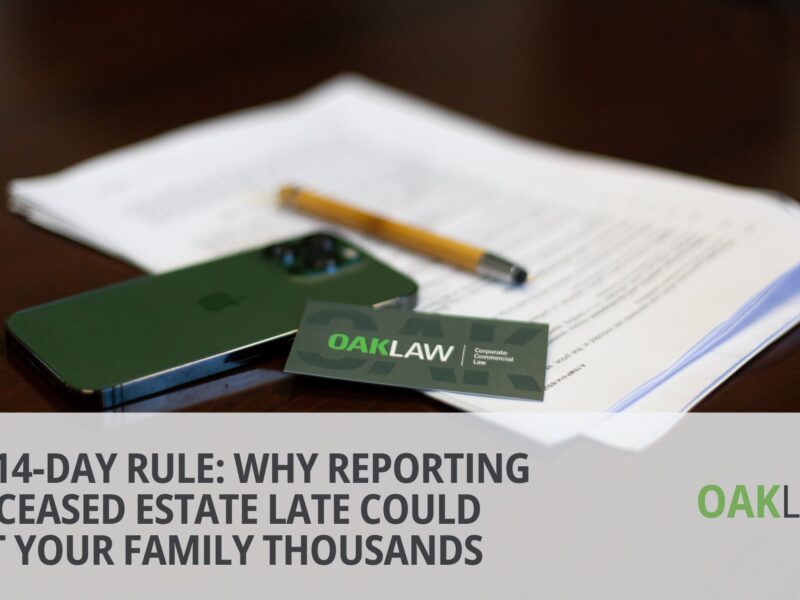
South African Families Face Financial Hardship Due to Deceased Estate Reporting Delays
Pretoria, South Africa – Legal experts are highlighting the severe financial consequences facing South African families who fail to report deceased estates within the mandatory 14-day period, as required under the Administration of Estates Act 66 of 1965. The seemingly straightforward requirement carries significant implications that many families discover during already difficult circumstances. Estate Assets Remain Frozen Until Proper Reporting Completed Under South African law, deceased estates must be reported to the Master of the High Court within 14 days of death, regardless of whether the deceased left a will or died intestate. When families miss this deadline, all estate assets remain frozen indefinitely, preventing beneficiaries from accessing funds for essential expenses including funeral costs, household maintenance, and urgent family needs. The estate freeze protects against potential mismanagement whilst ensuring proper legal oversight, but creates substantial hardship for surviving family members who depend on the deceased's assets for their livelihood. Bank accounts become inaccessible, rental income cannot be collected, and business operations may face disruption without proper authorisation from the Master of the High Court. Complex Administration Process Requires Professional Guidance Estate administration involves determining the appropriate legal pathway based on estate value. Estates exceeding R250,000 require Letters of Executorship following the full Administration of Estates Act process, whilst those under R250,000 may qualify for simplified Letters of Authority under Section 18(3). Professional legal guidance becomes essential when navigating the complex documentation requirements, including original death certificates, will documentation, comprehensive asset inventories, and matrimonial property regime declarations. The Master of the High Court cannot accept certified copies of wills, requiring original documentation that families …
Track Your Press Release HERE:

Two-Time Oscar Winner Gene Hackman’s $80 Million Contested Estate
The value of a well-drafted, updated will is in the spotlight again with news of uncertainty surrounding two-time Academy Award winner Gene Hackman’s estimated $80 million fortune. His three children could be in line to inherit even though they are not named in his will. The sad circumstances of the legendary actor’s and his wife’s deaths are being exacerbated by uncertainty surrounding his financial legacy. This vividly illustrates how a last will and testament that has not kept pace with life changes can cause chaos, stress, drama and even lead to legal disputes for a family when a loved one passes away. Why are questions being raised? Hackman’s will, drafted in 1995 and last updated in 2005, named his wife of more than 30 years, classical musician Betsy Arakawa, as sole beneficiary. Her will named him as beneficiary but also included a clause that if they passed away within 90 days of each other, her estate must go into trust and be donated to charity once medical expenses are covered. Showing how truth can be stranger than fiction, Arakawa (65) passed away from a rare virus, seven days before Hackman (95) died of heart disease while also suffering with severe Alzheimer’s, according to autopsy reports. Questions have now been raised about the validity of Hackman’s will and whether his three children from a previous marriage could be in line to inherit the considerable fortune amassed from his film legacy. What can we learn from this? This highlights several crucial estate planning considerations. Capital Legacy National Manager of Succession Planning, Ken Newport, explains how this would play out in our local context under South African law. Always name alternate heirs This is a cautionary tale reminding us to make provision for the unlikely event that partners can pass away in close succession. So-called “mirror wills” between life partners are good practice, where two identical wills are drafted, but naming the respective …
Track Your Press Release HERE:

No Direction Without a Will
Former One Direction star, Liam Payne, passed away in tragic circumstances in a Buenos Aires hotel in October 2024. Now, news has emerged that he died without a will. As a British citizen with an estate valued at a reported £24.3 million (nearly R600 million), the absence of a valid will means Payne’s assets will be distributed according to the United Kingdom’s intestacy laws that govern deceased estates of people who die without wills. His former partner and the mother of his child, Cheryl Tweedy (a.k.a. Cheryl Cole, ex-wife of footballer Ashley Cole), has been appointed as administrator of his estate and as it stands his entire fortune would go to their eight-year-old son, Bear, probably at a predefined age and remain in a trust until then. When he passed away, Payne had been dating Kate Cassidy for two years, reportedly paying her a monthly allowance of £20,000 (around R485,000) towards her living expenses. Ken Newport, National Manager of Succession Planning at Capital Legacy looks at what could happen to Cassidy, whether the generous financial support she’s been receiving may cease, and whether she’d be entitled to a share of Payne’s multi-million fortune. Newport also explains what would happen if such a case were to occur in South Africa, where the most recent census numbers (2022) show that an estimated 3.7 million South Africans live together without being legally married. Implications for unmarried partners and supported individuals Newport says, “If Kate Cassidy lodged her claim in a UK court, she might be entitled to inherit a portion of Liam Payne’s estate, depending on their marriage plans and living arrangements in terms of UK intestate succession laws and inheritance, specifically the Inheritance (Provision for Family and Dependants) Act of 1975. To make a successful claim, Cassidy would need to prove – as the cohabiting partner – that Payne had a moral duty to provide for her, and that …