

This past weekend, Scottburgh main beach came alive for the annual Ocean Festival celebrations. The coastline was filled with energy as surfers, lifesavers, and surfski paddlers took to the water, supported by music, community spirit, and a shared love for the ocean. Along the north bank of the main beach, something a bit quieter and deeply moving took shape. Over the course of the three days, a striking sand sculpture rose from the shoreline, drawing people in with its intricate detail. At its base lay a beautifully detailed humpback whale, holding within it a dolphin, turtle, octopus, and shark - a powerful tribute to the Marine Big 5 found in this part of the world. Above them sat the emblems of the Mission Blue Aliwal Shoal Hope Spot and Ocean Festival, linking art, conservation, and place. The artist behind this work is Innocent Zungu, who travels along the South African coastline sharing his remarkable talent with both locals and visitors. His work is not commissioned. It is offered freely, sustained only through donations from those who stop, watch, and connect with what he creates. His story is as compelling as his art. He speaks openly about consciously choosing the less-travelled path in life, guided by peace, purpose and discipline, and credits his craft with bringing meaning and opportunity. For the duration of the festival, Innocent worked steadily on the sculpture, shaping and refining each detail by hand. At night, he slept in a small hollow dug into the sand behind the artwork to remain close and protect it. Throughout the process, he carefully sprayed the sculpture with seawater to keep the sand compact and prevent it from drying out and breaking apart in the wind. His dedication was constant and unwavering as he explained that all of his tools (plastic spoons, forks, water bottles for spraying, etc.) were repurposed from waste he had picked up on the beaches along his travels. Within the broader piece, he included a deeply emotional …
Ocean Festival 2026 Wraps up a Weekend of Ocean Sport, Conservation, and Community in Scottburgh
Scottburgh on the KZN South Coast came alive over the long weekend (1 to 3 May 2026) as the fourth Ocean Festival transformed the town’s beachfront and local venues into a connected hub of sport, wellness, education, and entertainment. Hosted across Scottburgh Main Beach and the Premier Resort Cutty Sark, the three-day programme brought ocean lovers together for a weekend of high-level competition and fun, centred around conservation. “This year’s Ocean Festival has been such a genuine expression of what the event is about,” says Barry Lewin, Event Organiser. “We saw people of all ages engaging with the ocean in different ways, from elite competition to first-time experiences, through education and entertainment. The event really highlighted how sport and tourism can work together to support conservation and local economic activity in a meaningful way.” Epic Weekend Experiences The long weekend opened with the Scotties Striders Run for the Ocean, a sunrise coastal run welcoming all fitness levels. The vibrant Veranda Panda Wake & Shake was hosted at Wild Coffee - owned by local surfers and entrepreneurs Matt Matchell-Cox, Stephen Morris, and Gavin Roberts – to combine movement with ocean awareness with a dash of great coffee. The Granny Grommets Bodyboard Session once again highlighted intergenerational ocean culture found in Scottburgh, while visitors enjoyed the Mission Blue Hope Spot Sand Art Display along Scottburgh Main Beach throughout the weekend. A major draw was the Ocean Experience Boat Trips, departing from the Premier Resort Cutty Sark, offering guided excursions into the Aliwal Shoal Marine Protected Area (MPA) and Mission Blue Hope Spot, where visitors encountered the incredible marine biodiversity. Wellness featured strongly with Beach Nia and Beach Yoga sessions, while Mission Blue Hope Spot Conservation Talks provided accessible education on ocean health, biodiversity and community-led conservation efforts. Evenings shifted …
Track Your Press Release HERE:
New Book Highlights MetPac-SA’s Role in Driving Circular Economy and Entrepreneurship in South Africa
MetPac-SA, the Producer Responsibility Organisation (PRO) for metal packaging in South Africa, is proud to be featured in the recently published entitled, Book of Economic Development and Entrepreneurship (BP International, April 2026), which includes a significant academic contribution underscoring the association’s role in advancing sustainability, circular economy practices and entrepreneurship in South Africa. Chapter 3 of the publication, Effectiveness of Post-Consumer Metal Packaging Recovery Practices in South Africa, was authored by Dr Ravi Nadar (MetPac-SA Research Analyst), Dr Kishan Singh (CEO of MetPac-SA), Prof Ramchander (Durban University of Technology Head of Operations and Quality) and Dr Rathilall (Durban University of Technology Senior Lecturer Operations and Quality) and edited by Prof. Michael Twum-Darko of the Cape Peninsula University of Technology. The chapter draws on Dr Singh’s doctoral research and provides an in-depth analysis of how post-consumer metal packaging recovery systems contribute to both environmental stewardship and economic development. “Our research highlights the critical intersection between environmental management and entrepreneurial activity, demonstrating how circular economy initiatives can unlock value across the recycling value chain. By improving resource efficiency and supporting enterprise development, these practices contribute meaningfully to South Africa’s sustainable development agenda,” Dr Singh says. MetPac-SA’s work is positioned as a leading example of how industry can align with Extended Producer Responsibility (EPR) regulations while supporting innovation and inclusive economic participation. Through its initiatives, the association continues to support the growth of small and medium enterprises, strengthen recycling infrastructure and drive measurable environmental outcomes. “Sustainable packaging recovery is not just an environmental imperative. It is an economic opportunity that enables …
Track Your Press Release HERE:
FasterCapital backs Global Enviro -Action through EquityPilot to advance youth-led climate action
Kinshasa, Democratic Republic of Congo & Dubai, UAE : FasterCapital today announced it has selected Global Enviro -Action for its EquityPilot program, aiming to help the youth-led nonprofit refine execution plans and advance initiatives tied to climate action, life below water, life on land, clean energy, and clean water and sanitation. The engagement will focus on governance, operational planning, and stakeholder connections during the initial program phase. FasterCapital’s EquityPilot will concentrate on defined execution milestones in the first 30–60 days, prioritizing capacity building and stronger outreach to youth and women stakeholders. Why It Matters? Climate resilience and sustainable resource management increasingly depend on community-driven initiatives that include young people and women. Organizations that can marshal grassroots engagement while aligning to UN Sustainable Development Goals play a critical role in bridging policy priorities and local implementation across regions such as the Democratic Republic of Congo, Kenya, Egypt, and Nigeria. What the Startup Delivers? Global Enviro -Action is a youth-led nonprofit that focuses on environmental sustainability worldwide. Its programs aim to advance SDG 13 (Climate Action), SDG 14 (Life Below Water), SDG 15 (Life on Land), SDG 7 (Affordable and Clean Energy), and SDG 6 (Clean Water & Sanitation). The organization emphasizes inclusion of youth and women, providing voice, training, and tools to lead local and regional environmental efforts. Why Now? Timing Growing awareness of climate and water crises has increased demand for community-rooted initiatives that can both influence policy and deliver measurable local impact. By strengthening operational capability now, Global Enviro -Action aims to scale youth and women engagement to meet rising needs across its operating countries. What FasterCapital Will Provide? Hands-on execution support to refine near-term plans and …
Track Your Press Release HERE:
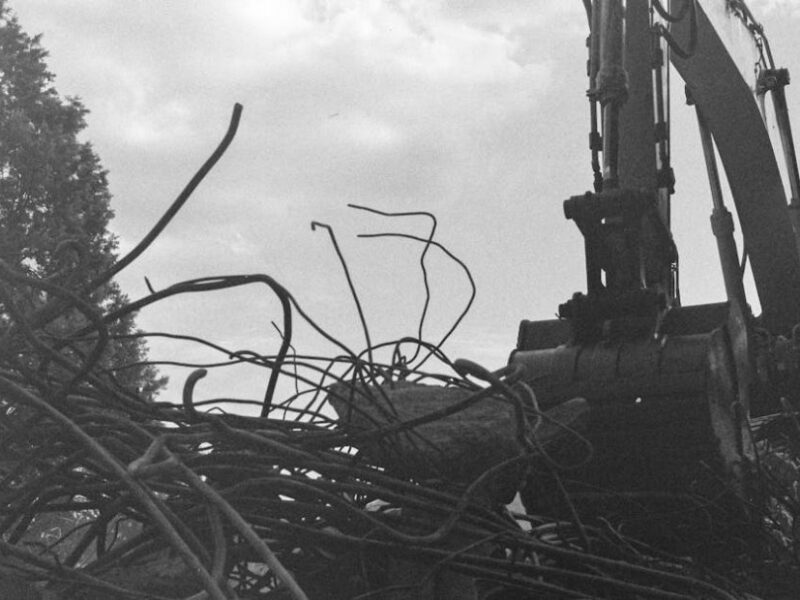
Picking an Earthworks Contractor Without Getting Burned
Every major build starts with moving earth. Cut-to-fill calculations, drainage, compaction, and platform levels all determine whether the foundation above goes down cleanly or fights the ground for the rest of the project. The quality of the earthworks contractor chosen at the start of the job has ripple effects that last for decades. The Right Questions Before Signing Most disappointments with contractors come from skipping the pre-engagement conversation. A short list of questions asked before the contract is signed filters out the cowboy operators from the genuine professionals, and most cowboys do not handle the conversation well. Relevant questions include: how long has the contractor been operating, what was the last project of similar scope, which equipment will be used on site, how are soil classifications handled if the ground turns out different from expectations, and what happens if the programme slips. Clear answers are worth more than glossy brochures. A contractor offering bulk earthworks contractors services on a commercial build should have examples of recent comparable work, not just a general promotional portfolio. Asking to visit a current site, even for ten minutes, gives a practical view of the operation’s real-world standards. Equipment on Site Tells You Plenty The state of a contractor’s fleet reveals more than any reference check. Well-maintained machines with clean livery, regular services, and matching operators usually means a business that invests in its tools and expects its staff to match. Battered machinery with mismatched paintwork and improvised repairs often points to a contractor stretched thin financially. Modern earth movers include excavators, bulldozers, graders, and compactors in varied sizes, and the right mix depends on the site’s specific conditions. A contractor who arrives with only a single machine type has either under-quoted the job or underestimates what the site actually needs. Age of machinery …
Track Your Press Release HERE:
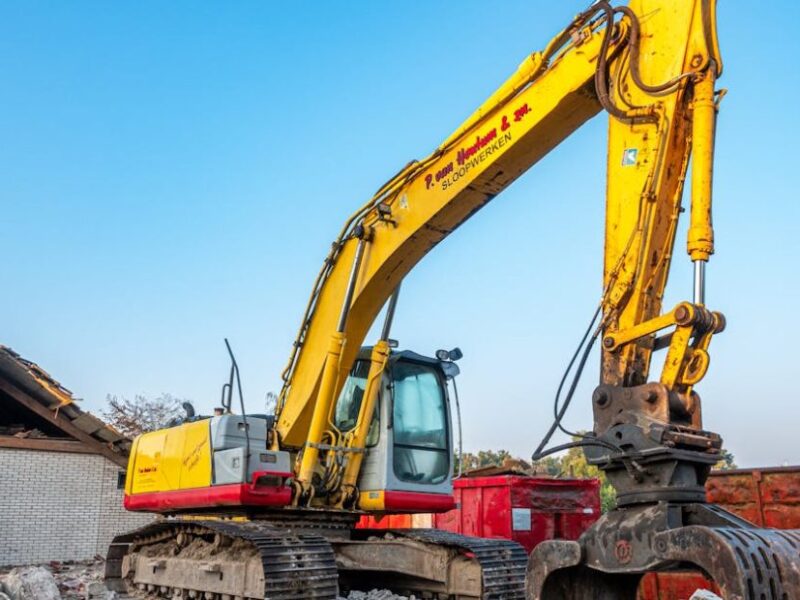
Choosing the Right Asbestos Removal Process for Your Building
Not every building with asbestos needs to be stripped down. The right process depends on the type of asbestos, where it is located, and what the building is going to be used for. Getting this decision wrong can waste money on over-treatment or leave a real hazard in place because of under-treatment. Understanding What Asbestos You Actually Have Before any work can be specified, a proper asbestos survey is needed. The survey identifies each suspect material, samples where needed, and classifies the findings into friable and non-friable categories. Friable asbestos (loose, crumbly) presents a much higher risk than bonded asbestos (within cement sheets, for example). A solid asbestos mitigation plan works outward from the survey rather than starting from assumptions. Without a survey, contractors end up either over-treating low-risk material or missing high-risk material entirely. Surveys come in two main types. Management surveys cover the building in its current use, flagging where asbestos is and how it should be monitored. Refurbishment surveys are more intrusive and required before any major works begin, because they look behind walls and above ceilings. Sealing In Place For well-bonded, stable asbestos in low-risk locations, the right answer is often to seal it in place rather than remove it. Coatings and encapsulation products prevent fibres from being released while the material stays put. This approach works well for older asbestos roof sheets that are otherwise in good condition, for textured coatings on ceilings, and for asbestos cement pipes buried underground. Removal in these cases often creates more risk than management, and costs significantly more. A proper asbestos remediation plan should always consider seal-in-place as one of the options rather than going straight to full removal. Good contractors explain the logic behind each recommendation and allow the client to choose based on risk appetite and budget. Full Removal When …
Track Your Press Release HERE:

Running a Demolition Job in a Residential Neighbourhood
Demolishing a structure in the middle of a quiet suburb is different from knocking down a warehouse on an industrial plot. Neighbours, trees, traffic, safety officers, and local councils all get involved, often before the first machine arrives on site. Getting the non-technical parts right is usually what determines whether a project runs smoothly or turns into months of complaints. Talking to the Neighbours The single most cost-effective thing a contractor can do is spend a day knocking on doors before work starts. Briefing neighbours on the schedule, the likely noisy days, the expected truck movements, and the point of contact for issues turns potential enemies into tolerant observers. A pack of demolitions projects that have ended badly trace their problems directly back to surprised neighbours calling the council on day one. Once the complaint has been logged, regular inspections start, and progress slows to a crawl while the paperwork catches up. A good contractor includes this briefing in the project plan and assigns a specific person to field queries during working hours. A simple letterbox note with a phone number and a brief project summary goes a long way. Small House Demolitions Residential strip-outs and full knock-downs usually take between two and ten days depending on the size of the structure and the quality of salvageable material. Planning the job around school runs and weekend peace matters more than people think. A clean house demo job includes asbestos testing before any work begins, a water-spray plan to suppress dust, and a clear protocol for material sorting. Salvaging bricks, tiles, and usable timber reduces waste and can offset part of the project cost when sold on. The order of operations also matters. Pulling mains services cleanly before demolition begins prevents the embarrassment of a water geyser splash or an electrical arc once a wall comes down. Getting the disconnection certificates from the utility providers is a …
Track Your Press Release HERE:

Fog Cannons vs Misting Cannons: What the Difference Actually Means
Modern dust suppression equipment comes in several forms that sound similar but work quite differently. Fog cannons, misting cannons, and water spray units all rely on airborne water to capture particles, but the droplet size, throw distance, and flow rate vary significantly between categories. Picking the right unit comes down to the specific dust problem and the site layout. Droplet Size Is the First Question The primary thing that separates one type of cannon from another is the droplet size produced. Coarse droplets (around 200–500 microns) fall out of the air quickly and wet surfaces rather than capture airborne particles. Fine droplets (10–50 microns) stay airborne longer and grab fine dust particles that would otherwise travel far beyond the site. A proper water spray system for dust control can be tuned to the dust conditions. Heavy, coarse dust responds to coarser sprays because the particles themselves are too large to stay airborne and mainly need surface wetting. Fine respirable dust needs correspondingly fine water to capture it from the air column. This is where many installations fall short. Using a wet-surface system on fine dust leaves most of the particulate hovering in the air, while using a fine mist on coarse dust wastes water without adding much suppression value. Matching droplet size to dust profile is the basic engineering task. Fog Cannons for Long Reach Fog cannons combine a high-velocity fan with atomised water nozzles to throw fine fog over long distances. Industrial-scale units can project fog fifty to a hundred metres or more, covering large open areas that traditional sprinklers cannot reach. The fan is what makes the difference. Without mechanical throw, fine droplets have almost no forward momentum and drift wherever the wind wants to take them. The fan gives the fog enough velocity to reach the target area and enough residence time in the air to capture particles on the way. Industrial applications that benefit most …
Track Your Press Release HERE:
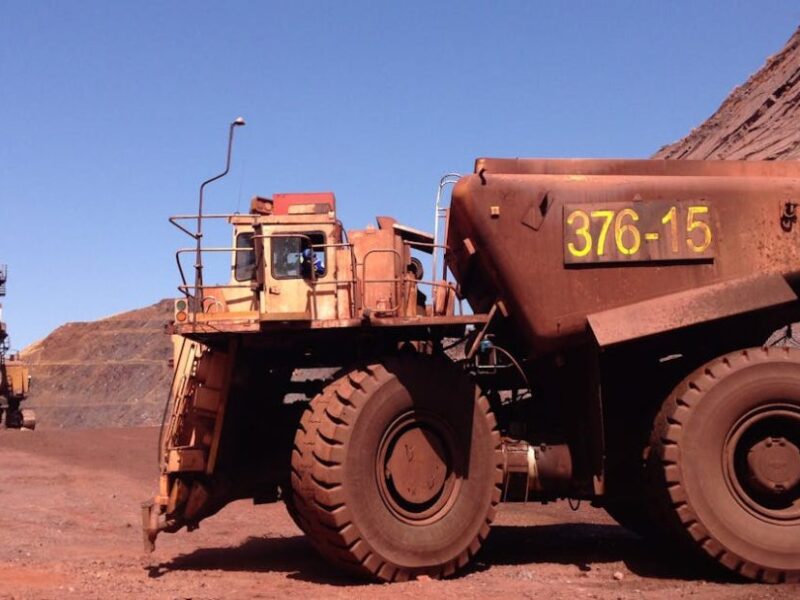
Industries That Rely Most Heavily on Dust Suppression
Visible dust on a site is often treated as a cosmetic issue, but the real reasons to control it are health, safety, compliance, and equipment longevity. Certain industries have long since stopped treating dust as background noise and now build suppression into their core operations. Understanding where these tools get used most sheds light on why the technology keeps advancing. Mining Operations Mines of every type produce dust at every stage: blasting, loading, hauling, crushing, screening, and stockpiling all generate airborne particles. Without active control, visibility drops, respiratory risk climbs, and equipment wear accelerates. Modern dust suppression on mines is no longer optional. Health and safety standards, community concern around mine boundaries, and operational performance all require it. Sites that run without proper control often face legal action, fines, or community protest that can halt production for days at a time. Underground mines have their own challenges, since ventilation alone cannot handle heavy dust loads. Water-based systems at strategic points help keep air clean enough for safe operation, particularly at crusher chambers and loading stations where dust concentration peaks. Construction and Demolition Urban construction sites generate dust that affects surrounding businesses, residences, and road users. A site with poor dust control quickly attracts complaints, council attention, and potentially stop-work notices. A proper dust suppression system on a demolition site starts before the first wall comes down. Pre-wetting, water sprays during the actual demolition, and post-work damping of debris piles all combine to keep airborne particle levels low. Skipping any of these stages shows up as a visible dust cloud that cannot be undone once released. Demolition contractors who do this well tend to get more urban work, since property owners and council planners both prefer to engage operators who manage community impact …
Track Your Press Release HERE:

Everything You Need to Know about Water Testing and Water Treatment in South Africa
Water is something most people take for granted until something goes wrong. A strange smell, a funny taste, scale building up on appliances, or a nagging worry about what is actually coming out of the tap. These are all signs that your water deserves closer attention. Whether you are on municipal supply or drawing from a borehole, getting a proper water quality check done is one of the most straightforward ways to protect your household or business. This article covers what water testing involves, why it matters, what borehole water specifically requires, and what your options are when it comes to treating problem water. Why Water Testing Matters More Than People Realise Most people assume their water is fine because it looks clear. Clear water is not the same as safe water. Bacteria, nitrates, heavy metals, and other contaminants are invisible to the naked eye. The only way to know what is actually in your water is to have it tested. Water testing covers a wide range of checks depending on what you are trying to find out. A basic test might look at pH, hardness, and bacterial presence. A more thorough test goes further checking for heavy metals, pesticides, nitrates, and a full range of biological contaminants. What you test for depends on your water source, your location, and your specific concerns. Drinking water potability is the standard that determines whether water is safe for human consumption. Water that meets potability standards has been assessed against a set of health-based criteria covering microbial, chemical, and physical properties. If your water fails any of these criteria, it is not safe to drink without treatment. What Happens at a Water Testing Laboratory A water testing laboratory is a facility equipped to analyse water samples against a defined set of parameters. Accredited water laboratories follow strict procedures for sample collection, storage, handling, and analysis. The results they produce are documented, traceable, and …