

Holidays are no longer viewed as an occasional luxury, but as an essential part of modern wellbeing, offering time to rest and reconnect. As travel costs continue to rise, more South Africans are exploring structured holiday solutions - such as vacation ownership - through established providers like the Beekman Group. “There’s a reason globally recognised hospitality brands like Marriott International, Hilton Hotels & Resorts, and The Walt Disney Company are providing vacation ownership for resorts – it has so many benefits for travellers,” says Wayne Beekman, Director at Beekman Group. “However, vacation ownership has evolved significantly over the past decade. It is no longer a one-size-fits-all product. Today, it is a structured way for families to secure future holidays in a way that suits their travel patterns, budgets and lifestyle needs.” In Southern Africa, vacation ownership is more than just timeshare; it’s an umbrella term covering multiple different holiday usage models. Beekman says that modern systems are designed around flexibility, choice and long-term travel planning rather than rigid holiday allocations. What Is Vacation Ownership? Vacation ownership refers to a structured holiday access model where families secure future accommodation in advance. Vacation ownership is typically structured into four distinct categories within the Beekman Group: 1. Points-Based Ownership Beekman Group’s The Holiday Club is a flexible holiday system where members purchase points and use them to book accommodation across a wide network of resorts both locally and internationally. This is an adaptable model, ideal for travellers who want variety, with fully flexible travel dates and destinations. Points can be saved, borrowed or adjusted, and additional points can be purchased at any time. 2. Traditional Timeshare This is a fixed-week or structured-week holiday model wheremembers secure accommodation at a specific resort during a defined …
Why Winter Is the Finest Season for a Botswana Safari
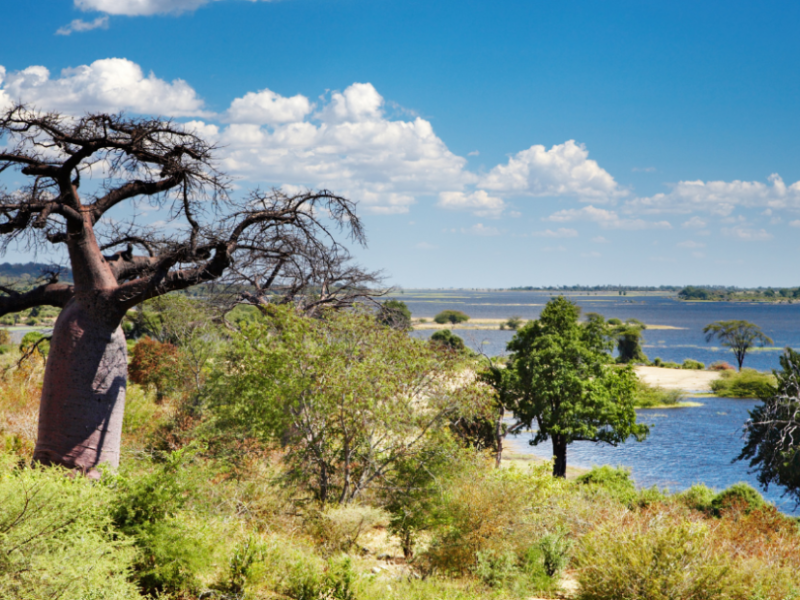
The Bush Comes Into Its Own As winter settles over Southern Africa, the bush quietly transforms into the finest version of itself. The dry season strips away the thick summer foliage, the air turns crisp and clear, and wildlife gathers around the remaining water sources in numbers that take the breath away. For anyone dreaming of an unforgettable safari, these winter months are widely regarded as the very best time to travel. The conservation-led collection of Kaelo Destinations was created precisely to share moments like these, guiding guests gently into some of the most remarkable wild places on the continent. Wildlife Viewing At Its Peak There is a simple reason winter delivers such exceptional game viewing. With seasonal water dried up, animals congregate around rivers and waterholes, making sightings more frequent and more predictable. The thinning vegetation means that wildlife is far easier to spot, and predators become more active as they follow the herds. In a place as rich as the Mashatu Game Reserve, reached through the Botswana collection, this combination creates the kind of safari that stays with you forever, with elephants, lions, leopards and countless other species moving through an open, golden landscape. Comfortable Days And Crisp Nights Winter in the bush brings a particularly pleasant rhythm to each day. The harsh heat of summer gives way to mild, sunny days that are ideal for long game drives and unhurried exploration. Mornings and evenings carry a welcome chill, perfect for gathering around a fire beneath an enormous sky. This gentle climate makes the whole experience more comfortable, allowing guests to spend more time out among the wildlife without the intensity of the summer sun. There is something deeply restorative about warm days and cool, star-filled nights in the heart of the wilderness. Skies That Go On Forever One of the great gifts of the dry winter season is the clarity of the air. With little humidity and few clouds, the …
Track Your Press Release HERE:

Why a Vehicle Awning Is the One Accessory Every Outdoor South African Needs
There’s a moment on every outdoor trip when shade becomes the most important thing in the world. The braai is going, the chairs are out, the drinks are cold, but the sun is directly overhead and there’s nowhere to sit without getting cooked. Trees aren’t always in the right spot. Gazebos take 20 minutes to set up and need four people to hold them down in the wind. And sitting in the car with the aircon running defeats the purpose of being outside in the first place. A vehicle awning solves this problem in under a minute. It mounts to the side of the vehicle’s roof rack and rolls out to create an instant shaded area next to the car. No poles to assemble, no pegs to hammer, and no wrestling with fabric in the breeze. Pull it out, lock it in place, and there’s an instant outdoor living space that’s shaded, sheltered, and ready to use. Awnings have become standard equipment for anyone who spends time outdoors in South Africa. They’re mounted on bakkies, SUVs, station wagons, and even smaller cars, and they get used for everything from camping trips and braais to sports events, market stalls, and tailgate setups at rugby games. The versatility of a good vehicle awning makes it one of the highest-value accessories in the outdoor category. How Vehicle Awnings Work The basic design is straightforward. A rolled-up awning sits in a housing that’s bolted to the vehicle’s roof rack or roof rails. When needed, the awning gets pulled out from the housing, and a set of telescopic legs drops down to support the outer edge. The whole process takes 30 to 60 seconds with one person. Packing it away is the reverse: lift the legs, roll the fabric back into the housing, and close the latches. Done. The shaded area created by a standard vehicle awning is typically 2 to 2.5 metres deep and runs along most of the vehicle’s length, usually 2 to 3 metres wide. That’s enough space for a couple of camp chairs, a small table, and a braai stand. Larger awnings extend further and …
Track Your Press Release HERE:

Rooftop Tents Have Changed the Way South Africans Camp (And There’s No Going Back)
Ground tents had a good run. For decades, they were the only real option for anyone who wanted to sleep outdoors without booking a chalet or a guesthouse. But anyone who’s set up a ground tent on rocky terrain, woken up in a puddle after unexpected rain, or spent the night listening to something rustling around outside the tent flap knows that the experience leaves a lot to be desired. Rooftop tents South Africa has become one of the fastest-growing search terms in the outdoor space, and the reason is simple: sleeping on top of the car is better than sleeping on the ground in almost every way. The rooftop tent concept isn’t new. Overlanders in Africa and Australia have been using them for years. But what’s changed is the accessibility. What was once a niche product used by serious off-road travellers has gone mainstream. Families, weekend campers, couples doing road trips, and solo travellers are all buying rooftop tents, and the market has responded with a wider range of options than ever before. Why Rooftop Tents Make Sense The appeal starts with convenience. A rooftop tent is permanently mounted on the vehicle’s roof rack. When it’s time to camp, it gets unfolded or popped up in a matter of minutes. No searching for flat ground. No clearing rocks and sticks. No fighting with tent poles while the wind tries to pull the flysheet out of tired hands. The tent goes up fast and comes down fast, which means more time relaxing and less time setting up camp. Roof top tents for cars come in different formats, but the two main types are hard shell and soft shell. Hard shell tents have a rigid lid that pops up on gas struts, similar to how a car boot opens. They’re quick to set up, aerodynamic when closed, and offer good weather protection. Soft shell tents fold out from a canvas bag and are generally larger when open, giving more interior space. Both types mount on standard roof racks or roof bars, and both sleep two adults comfortably, with larger models …
Track Your Press Release HERE:

Mastercard Launches Priceless Africa on priceless.com, Unlocking a Curated Travel Experience Across Nine Iconic Destinations
Cardholders worldwide gain access to a curated collection of Priceless experiences and exclusive cardholder offers across nine African markets: South Africa, Kenya, Morocco, Mauritius, Ghana, Tanzania, Uganda, Rwanda and Zimbabwe. Expansion of Priceless.com advances Mastercard’s commitment to Africa’s digital travel economy, boosting engagement and preference across key markets. Mastercard has expanded its global lifestyle platform, Priceless.com, to Africa, unlocking a new way for Mastercard cardholders around the world to explore the continent’s most iconic destinations. The platform brings together culturally rich journeys across nine African markets, including South Africa, Kenya, Morocco, Mauritius, Ghana, Tanzania, Uganda, Rwanda and Zimbabwe, offering travellers access to Africa through a premium, curated lens. From wildlife encounters beneath African skies to hidden galleries and exotic coastal festivals, Priceless Africa ignites travel as a powerful passion point. Cardholders can now discover a one-of-a-kind Africa shaped by creativity, heritage and deep community connection. Each experience is curated across Mastercard’s leading passion categories: culture and creativity, culinary, nature and wildlife, and adventure, enabling travellers to securely and seamlessly explore what they love most. Mastercard offers a range of travel benefits, including hotel and flight savings, airport lounge access, and seamless booking across leading travel platforms, car rentals, and e-hailing services. The result is a seamless, secure, and truly rewarding journey at every touchpoint. The launch comes as Africa’s travel sector continues to expand, making it one of the fastest-growing tourism regions globally. The region welcomed 81 million international tourists in 2025, marking an 8% year-on-year increase, according to UN Tourism. As more travellers seek authentic, purpose-driven experiences, Mastercard and its partners are supporting this growth through …
Track Your Press Release HERE:

Why Corporate Travel Management Is Becoming a Smart Investment for South African Businesses
Business travel remains an important part of building relationships, securing new opportunities, and growing a successful company. For South African businesses, face-to-face meetings continue to play a vital role in building trust with clients, suppliers, and partners across South Africa and international markets. While video calls and virtual meetings have their place, there are still many situations where in-person interaction delivers the best results. As companies look for ways to make business travel more efficient and cost-effective, many are turning to specialists such as The Travel Group for support. With the growing demands of modern business travel, professional corporate travel management has become far more than simply booking flights and hotels. It has evolved into a valuable business tool that helps organizations save time, manage costs, and improve the overall travel experience for employees. Business Travel Has Become More Complex Planning a business trip today involves much more than choosing a flight and reserving a hotel room. Travel costs can fluctuate daily, schedules often change at short notice, and unexpected disruptions can affect carefully planned itineraries. For South African businesses managing travel between Johannesburg, Cape Town, Durban, Pretoria, and international destinations, these challenges can quickly become time-consuming and expensive. Without a clear travel strategy, employees often spend unnecessary hours researching options, comparing prices, and dealing with changes when things don't go according to plan. This is where effective corporate travel management can make a significant difference. Having experienced professionals oversee travel arrangements allows businesses to focus on their core operations while ensuring travel runs smoothly. Saving Time and Controlling Costs Every business wants to keep expenses under control, and travel is often a significant part of the budget. Many companies assume handling …
Track Your Press Release HERE:

Africa’s Largest 3D-Printed Whale Tail Turns Formosa Bay Resort into a New Garden Route Landmark
There’s a new reason for travellers to stop along the Garden Route. Towering above the entrance to Formosa Bay Resort in Plettenberg Bay is Africa’s largest 3D-printed structure! The striking Waffling Whale Tail – next to the resort’s iconic Waffling Whale Café – stands approximately five metres high with a unique texture that mimics that of the café’s famous waffles, making this a must-stop landmark for the coastal town. Developed by Big Ideas 3D Printing for The Beekman Group, the 3D structure is intended to become a notable landmark on one of South Africa’s busiest tourism routes. With Plettenberg Bay renowned for its incredible whale sightings, the idea is to attract travellers for a unique selfie opportunity at this fresh roadside attraction that blends hospitality, public art and local storytelling. “Plettenberg Bay is one of South Africa’s best-known whale-watching destinations with a long-standing connection to marine life and ocean conservation. We wanted to create something memorable that captures the spirit of this iconic coastline while giving travellers a reason to stop,” says Beekman. “The Garden Route is also one of the country’s most iconic tourism corridors, and this installation is a way to create an experience-led destination where visitors can take a selfie while taking some time out of their journey to spot passing whales. This really connects visitors with the region in a unique and accessible way.” Celebrating the Spirit of Plettenberg Bay Plettenberg Bay has long been regarded as one of South Africa’s premier coastal destinations. The town is internationally recognised for its Blue Flag beaches, whale and dolphin sightings, indigenous forests, lagoons, wine farms, restaurants, and adventure experiences. “Plettenberg Bay already offers visitors an incredible mix of outdoor adventure and family-friendly experiences,” says Beekman. “We wanted to create an attraction that reflects that coastal energy, celebrates the iconic …
Track Your Press Release HERE:

Building a Future in South Africa’s Tourism Industry
South Africa lives off its visitors. People come from all over the world to see the wildlife, the coastline, the wine farms, and the cities. They spend money on hotels, tours, restaurants, and transport, and all of that spending creates jobs for local people. Tourism is one of the biggest companies in the country, and it keeps growing even when other parts of the economy stall. For anyone trying to find steady work, this matters. The tourism trade needs people at every level, from front desk staff to tour operators to managers who run whole resorts. The way into most of these roles is the same: get the right training first, then let the qualification open the door. Why Tourism Training Pays Off Plenty of people think you can walk into a hotel or a travel agency without any formal study. Sometimes that is true for the most basic jobs, but the better roles, and the better pay, go to people who can prove they know the trade. A qualification tells a company you understand the business and will not need months of hand-holding. A good tourism course teaches the things you cannot pick up by guessing. You learn how bookings work, how to handle money and reservations, how to deal with difficult guests, and how the wider industry fits together. These are skills that take a new worker from someone who needs constant supervision to someone a company can trust with real responsibility. There is also the matter of standards. Tourism is built on service, and South Africa competes with the rest of the world for visitors. A guest who has a poor experience tells their friends and writes a bad review, and that costs the whole industry. Trained staff understand what good service looks like and how to deliver it consistently, which is exactly what companies are paying for. Training also gives you options. The skills you learn in tourism travel well, both within the country and abroad. People who qualify here often find work on cruise ships, at international hotel chains, …
Track Your Press Release HERE:

The Work Behind the Scenes at Every Airport
Every flight that leaves on time depends on a team most passengers never see. While travellers queue at the gate, a crew on the apron is loading bags, fuelling the aircraft, guiding it into position, and getting it ready to turn around for the next trip. This work is called ground handling, and without it no plane would move. South Africa has busy airports in Johannesburg, Cape Town, and Durban, plus dozens of smaller regional fields. All of them need trained ground staff. For people who want to work in aviation but do not fancy flying, this side of the industry offers steady jobs with real prospects, and it starts with the right training. What Ground Handling Actually Means Ground handling covers everything that happens to an aircraft while it sits on the ground. That is a wide span of tasks, from the moment a plane lands to the moment it pushes back for departure. Each task has to be done quickly and safely, because a parked aircraft earns no money for the airline. Loading and unloading baggage is the part most people imagine, but it goes well beyond that. Ground crew also handle cargo, marshal the aircraft into its parking spot, connect ground power, and manage the catering and cleaning that happen between flights. A short airport handling course introduces all of these duties so trainees understand how the whole operation fits together rather than learning one task in isolation. There is also a passenger-facing side. Staff at check-in desks, boarding gates, and arrival halls are part of the ground operation too. They issue boarding passes, sort out seating problems, help travellers with reduced mobility, and keep the flow of people moving through the terminal. A friendly, calm manner counts for a lot in these roles, since they are the human face of the airport. Safety sits at the heart of all of it. The apron is a dangerous place, full of moving vehicles, spinning engines, and heavy equipment. One careless step can cost a life or damage a machine …
Track Your Press Release HERE:
Why ‘All-In-One’ Destinations Are Preferred for Corporate Travel in South Africa
There has been a clear shift in South African corporate travel, with work models and priorities evolving. The rise in hybrid models and a firmer focus on employee wellness have seen businesses rethinking what they want from corporate accommodation providers. Rather than just looking for an affordable place to stay, corporate travellers want integrated environments that support productivity while providing for wellbeing. “The past few years, we’ve noted that corporate travel has fundamentally changed,” says Wayne Beekman, Director at The Beekman Group, a leader in resort management and vacation ownership in Southern Africa. “Travel managers, HR teams, and executive assistants are no longer booking rooms in isolation. They’re looking for accommodation that enables their teams to work efficiently with more access to downtime and lifestyle experiences, all in one place.” Beekman says that the rise of bleisure travel — that blends business and leisure — has gained traction globally, with South Africa taking its own approach to the trend: “The traditional model of hotel or motel-style accommodation for corporate travellers has been replaced by more appealing all-in-one destinations – aparthotels - that combine contemporary resort accommodation with business-ready facilities and lifestyle amenities.” He outlined the key factors shaping this shift: 1. Wellbeing-Led Travel Planning “Businesses are increasingly recognising that travel fatigue and high-stress itineraries impact decision-making and productivity,” says Beekman. “This has shifted travel policies to include accommodation that offers comfortable workspaces, access to fitness and wellness facilities, and environments that allow travellers to recharge between meetings.” 2. Flexible, Longer Stays He notes that the rise of hybrid work and project-based travel is reshaping booking patterns: “Instead of one- or two-night stays, companies are increasingly accommodating longer visits tied to specific …