

Dry-season game viewing in Botswana meets warm coastal escapes on the Mozambique shoreline. Kaelo Destinations has moved into the heart of the southern African winter, the time of year when its safari lodges and beach retreats show two very different sides of the region within a single journey. Across July the dry-season bush of eastern Botswana draws game to the last remaining water, while the warm coastline of Mozambique offers a gentler counterpoint. The company, which operates a portfolio of luxury lodges and coastal homes built around conservation-first tourism, is using the season to highlight how a safari and a beach escape can sit side by side in one itinerary.The winter months are widely regarded as prime viewing time in the Tuli Block, and Kaelo Destinations anchors its inland offering in the Mashatu Game Reserve, a 42,000-hectare private wilderness in eastern Botswana. With vegetation thinning and animals gathering near rivers and pans, this is when a Botswana safari tends to reward patient guests with open sightlines and long, unhurried game drives. The reserve is known for its elephant herds, big cats and the wider cast of species that move through the confluence of the Limpopo and Shashe rivers. Guests choosing a Botswana safari lodge within the portfolio can select from several distinct styles of stay. Euphorbia Mashatu is a five-star lodge of eight private villas, while Mashatu Lodge offers fourteen luxury suites and Tuli Safari Lodge Mashatu presents eight tented suites for those who want canvas closer to the bush. Smaller, exclusive-use homes such as Kolokolo Safari Home and Shalimpo Safari Home suit families or private groups who prefer the whole property to themselves. For the more adventurous, WalkMashatu and a Night Under the Stars bring guests onto the ground and into the open air. The activity list reflects how varied a modern safari has become. Alongside classic game drives and guided bush walks, Kaelo Destinations offers mountain …

Glatt Safaris Extends Kosher Safari Circuit Across Four African Countries
As July marks the heart of Africa's dry safari season, Glatt Safaris highlights its mashgiach-supervised, Badatz Cape Town certified Kosher travel across South Africa, Zambia, Zimbabwe and Botswana. Glatt Safaris has drawn fresh attention to the standard of Kosher catering that underpins its safari programmes, as July marks the heart of Africa's dry season and one of the finest windows of the year for game viewing across the region. With clear skies, thinning bush and animals gathering around shrinking water sources, the mid-winter months in the Southern Hemisphere are widely regarded as prime safari time, and the company is reminding observant Jewish travellers that they can experience it without compromising on religious observance.At the centre of the company's offering is a Kosher Safari experience built around fully supervised catering. Every itinerary travels with a first-class chef and kitchen team accompanied by a mashgiach, the Kosher supervisor responsible for ensuring that food preparation meets religious requirements at every stage. Three freshly prepared meals are served each day, supplemented by roadside snacks between destinations, and the catering carries Kosher le'mehadrin certification approved by the Badatz of Cape Town. For families and groups who normally find it difficult to travel far from established Kosher infrastructure, this level of supervision is what makes an African adventure possible. The company designs its Kosher Safaris around several tracks so that travellers can match the trip to their interests and budget. The Gold Track is the flagship luxury route, taking in helicopter flights over Victoria Falls, time in Kruger National Park, Table Mountain in Cape Town and other signature experiences. The Silver Track focuses on the classic South African highlights, including the big five in Kruger National Park, the Cape winelands, whale watching along the coast, the African penguin colonies and the Cape of Good Hope. For those who …
Track Your Press Release HERE:
Mashatu Highlights Active and Photographic Safaris in Botswana’s Tuli
Mashatu opens its mid-winter season with a focus on walking, cycling and horseback safaris alongside its renowned photographic hides in Botswana's Northern Tuli. Mashatu has turned attention to the active and photographic side of its programme as the mid-winter season settles over the Northern Tuli in eastern Botswana. Across its 42,000-hectare private reserve, the operator is highlighting walking safaris, cycling expeditions, horseback rides and its well-known photographic hides, giving visitors ways to explore the wilderness that reach beyond the traditional game drive.The reserve sits in a remote corner of Botswana where the Limpopo and Shashe Rivers meet, at the point where Botswana, South Africa and Zimbabwe come together. This is the heart of the Northern Tuli Game Reserve, a landscape of wide plains, grassland, riverine forest, rocky hills, marshland and sandstone ridges. Eight perennial and non-perennial rivers run through the property, shaping terrain that supports some of the largest elephant herds found on any private game reserve in Africa, more than 350 recorded bird species and strong populations of predators. A Botswana safari at Mashatu is built around three experience categories: luxury, adventure and wellness. The adventure offering is what sets the reserve apart for many guests. Rather than viewing wildlife only from a vehicle, visitors can walk with trained guides, cycle across open country, or follow game trails on horseback. Each of these draws people closer to the ground, the tracks and the smaller detail of the bush that is easy to miss from a moving vehicle. Photography has long been central to the Mashatu name. The reserve operates a set of purpose-built photographic hides that place guests at eye level with animals coming to water and feed. These hides have earned recognition among wildlife photographers, and the clear light and open country of the winter months make this a natural time to use them. For those who want to work …
Track Your Press Release HERE:

Brahman Hills Breaks Ground on One of Africa’s Most Ambitious Wellness Developments
Nottingham Road, KwaZulu-Natal — Ground has officially been broken for the expansion of the Healing Earth™ Transformative Wellness Spa at Brahman Hills, bringing a sanctuary to life where wellness is not confined to a treatment room, but woven into the very landscape that surrounds it. When complete, this will be Africa's first fully integrated spa and garden wellness destination of its kind. Additionally, the expansion will see this internationally acclaimed spa extend into Serenity Garden, Brahman Hills' record-breaking 22-hectare labyrinth. Guests will be free to move between treatment spaces, thermal rituals, reflective walking paths and quiet garden rooms, with the labyrinth at the heart of the journey. This is not a cosmetic upgrade. It’s a large-scale, multi-million-rand investment that will shift the spa from standalone treatments into an immersive, deeply restorative experience unlike anything currently offered in Africa or the Indian Ocean Islands. It’s also an authentic expression of what both Brahman Hills and Healing Earth™ have always stood for in nature and holistic wellness. "We have assembled the finest international minds in wellness, architecture, and longevity science," says Iain Buchan, Founder of Brahman Hills. "We’re not building for volume; we are creating legacy, intimately scaled and absolutely uncompromising in our commitment to excellence." He adds that the development is rooted in regenerative, Blue Zone principles, where wellness is built into the way people move, rest, connect, and spend time in nature. At Brahman Hills, these principles will come to life not in theory, but in the landscape itself; in the paths walked, the stillness found, and the moments that linger long after guests return home. Once complete, the record-breaking Serenity Garden will also include expansive garden rooms, water features, an underground orchid house, an olive garden, an African art museum and more than five kilometres of contemplative …
Track Your Press Release HERE:
A Greener Getaway: Helping Your Children Leave a Footprint That Matters
Holiday getaways are about switching off, reconnecting and creating new memories. For many families, this means the joy of time spent outdoors. Breakfasts cooked on a 'skottel', fires lit for a braai as dusk turns into evening, star gazing, muddy shoes after hillside walks, the fun of discovery. These are the moments children remember. But holidays can also teach something far more lasting: nature is not only something we enjoy, but it is also something we learn to cherish and care for. According to Onwaba Gonyora, Director at Brahman Hills in the KwaZulu-Natal Midlands, sustainable holidaymaking doesn’t have to be complicated. “Nor does it have to be difficult, expensive or perfect,” she says. “It can start with a few small, eco-conscious choices, and a family holiday is a practical way to teach children that caring for nature isn’t a big separate act. It’s something we can build into everyday practices, from how we use water to how we leave a place behind.” Gonyora shares six simple ways to leave a greener footprint this holiday: 1. How you get there counts: One of the biggest environmental choices families make happens before they even leave. Where possible, consider driving instead of flying, especially for local holidays. A road trip can also become part of the experience, giving families time to stop along the way and notice the landscape and hidden treasures around them. For example, those travelling along the N3 through the KwaZulu-Natal Midlands, spotting the mysterious Giant sculpture at Brahman Hills can add to the excitement of the journey. 2. Stay where sustainability matters: When booking your stay, look for accommodation that's making responsible environmental choices in practical, measurable ways. At Brahman Hills, for example, sustainability is part of our long-term approach, from operating 85% off-grid to harvesting rainwater, recycling greywater, using glass bottle refills and supporting biodiversity through our gardens. 3. …
Track Your Press Release HERE:

Pambele Welcomes the Dry Season on Mozambique’s San Sebastian Coast
This June, as the cooler, clearer days of the southern winter arrive along the Mozambican coast, Pambele is welcoming guests to its private beach house on the San Sebastian Peninsula. The dry season is one of the most rewarding times to visit this stretch of the Indian Ocean, with calmer water, gentle light and long, open days. Pambele uses the season to offer something that has become increasingly rare among Mozambique beach resorts: a fully private retreat where exclusivity meets the soul of Mozambique. Set within the Vilanculos Coastal Wildlife Sanctuary and overlooking the Bazaruto Archipelago, Pambele is a privately owned beach house built for barefoot luxury and genuine privacy. The property sits on pristine shores and is surrounded by untouched wilderness, far from crowds and the noise of larger developments. For travellers who have been searching for the kind of seclusion that the busiest best hotels in Mozambique cannot always provide, the arrival of the dry season is an invitation to experience the peninsula at its most welcoming. A private beach house, not a crowded hotel Pambele is composed of private villas alongside spacious communal living areas, designed so that guests can move easily between solitude and togetherness. The interiors and exteriors are arranged around breathtaking, panoramic views of the ocean, so the sea remains in sight from almost everywhere on the property. Cosy communal spaces sit beside an infinity pool and a jacuzzi, while relaxation areas look out over the water. The result is a place that works as well for a family wanting space to themselves as it does for a small group of friends travelling together. Because the house is taken on an exclusive basis, the experience is shaped around the people staying rather than a fixed timetable. There are no queues, no shared loungers and no competition for the best view. This is what sets Pambele apart from many conventional Mozambique luxury resorts, where privacy is offered as an …
Track Your Press Release HERE:
Glatt Safaris Brings Gourmet Kosher Travel to Africa’s Winter Safari Season
Glatt Safaris is welcoming travellers into the heart of the southern African winter, the time of year when the bush thins out, water becomes scarce, and wildlife gathers in the open where it is easiest to see. As June 2026 settles over the region, the operator is offering its Glatt Kosher gourmet African safari and holiday tour packages across South Africa and East Africa, pairing classic game viewing with full Kosher catering and observant travel arrangements. The company sums up its approach in a single line on its website: explore Africa like a mensch, with gourmet Kosher food and no compromise on quality or price.The timing matters. Winter in southern Africa is the dry season, and the dry season is when a safari rewards visitors most reliably. Grass dies back, leaves fall, and the animals that spend the wet months scattered across a green landscape are drawn to the remaining rivers and waterholes. For anyone planning a Kosher Safari, the months around June offer some of the clearest sightlines of the year, milder daytime temperatures for long drives, and far fewer mosquitoes than the summer. Glatt Safaris is building its current packages around exactly this window. What the packages include The operator structures its offering into three main tracks. The Gold Track is positioned as a once in a lifetime itinerary and brings together marquee experiences such as helicopter flights over Victoria Falls, elephant encounters, Table Mountain, and time in the Kruger National Park. The Silver Track centres on the Kruger and its big five alongside the Cape, taking in the Cape Winelands route, Table Mountain, whale watching, African penguins, and the Cape of Good Hope. For travellers who want something shaped entirely around their own group, the Private Tours track is fully customisable, designed uniquely for each client from the ground up. Destinations span South Africa and East Africa, with the wider itineraries reaching into neighbouring Zambia, Zimbabwe, and …
Track Your Press Release HERE:
Mashatu Enters Peak Dry Season Game Viewing in Botswana’s Tuli Wilderness
It is June 2026, and the remote eastern corner of Botswana where the Limpopo and Shashe Rivers meet has slipped fully into the dry season. The grasses have thinned, the bush has opened up and the rivers have drawn animals towards their permanent water. For Mashatu, the private game reserve known across the region as the Land of the Giants, this is the heart of its peak game-viewing period, and the lodge is welcoming winter visitors who want to experience the Northern Tuli at its most accessible. Mashatu sits within the Northern Tuli Game Reserve, on 42,000 hectares of privately held wilderness at the tri-border confluence where Botswana, South Africa and Zimbabwe meet. The landscape is unusually varied for a single reserve, taking in open plains, grasslands, riverine forests, rocky hills, marshland and sandstone ridges. That diversity is part of what makes a winter Botswana safari here distinct from the better-known delta and floodplain destinations further north and west. Visitors travelling through the dry months find sightlines that stretch far across the plains and game that concentrates around the reserve's water sources. Why winter is the season to visit The southern African winter, running through the middle months of the year, is the driest and most predictable time on the reserve. Mashatu records rain-free conditions across the overwhelming majority of the year, a pattern measured over more than two decades, and the cooler winter days bring comfortable temperatures for time spent in open vehicles and on foot. With less surface water scattered across the bush, animals gather in more reliable places, and the reduced vegetation makes them easier to find and to watch for longer. Mashatu is home to some of the largest elephant herds found on any private game reserve in Africa, and the reserve's reputation for leopard and other predator sightings draws photographers and seasoned safari travellers in particular. More than 350 bird species have been …
Track Your Press Release HERE:
Mashatu Enters Peak Dry Season Game Viewing in Botswana’s Tuli Wilderness
As the southern African winter settles over the Northern Tuli, Mashatu’s 42,000-hectare reserve moves into its clearest, most rewarding months for watching wildlife in the open. It is June 2026, and the remote eastern corner of Botswana where the Limpopo and Shashe Rivers meet has slipped fully into the dry season. The grasses have thinned, the bush has opened up and the rivers have drawn animals towards their permanent water. For Mashatu, the private game reserve known across the region as the Land of the Giants, this is the heart of its peak game-viewing period, and the lodge is welcoming winter visitors who want to experience the Northern Tuli at its most accessible. Mashatu sits within the Northern Tuli Game Reserve, on 42,000 hectares of privately held wilderness at the tri-border confluence where Botswana, South Africa and Zimbabwe meet. The landscape is unusually varied for a single reserve, taking in open plains, grasslands, riverine forests, rocky hills, marshland and sandstone ridges. That diversity is part of what makes a winter botswana safari here distinct from the better-known delta and floodplain destinations further north and west. Visitors travelling through the dry months find sightlines that stretch far across the plains and game that concentrates around the reserve’s water sources. Why winter is the season to visit The southern African winter, running through the middle months of the year, is the driest and most predictable time on the reserve. Mashatu records rain-free conditions across the overwhelming majority of the year, a pattern measured over more than two decades, and the cooler winter days bring comfortable temperatures for time spent in open vehicles and on foot. With less surface water scattered across the bush, animals gather in more reliable places, and the reduced vegetation makes them easier to find and to watch for longer. Mashatu is home to some of the largest elephant herds found on any private game reserve in Africa, and …
Track Your Press Release HERE:
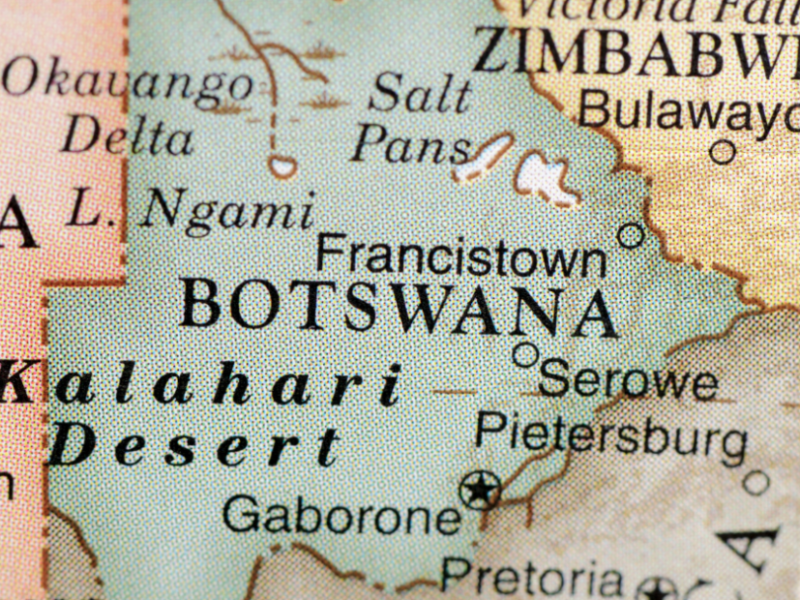
Planning a Safari in Botswana: What Travellers Should Know
Botswana sits at the top of many wildlife lovers’ wish lists, and for good reason. The country has built its reputation on wide open spaces, healthy animal populations and a careful approach to tourism that keeps the crowds low and the experience real. For travellers who want close encounters with big game without the queues found in busier parts of the continent, it is hard to beat. This article sets out the practical side of planning a trip: when to go, what to pack, what the camps are like, and what a typical day in the bush actually involves. Knowing these things ahead of time makes the difference between a smooth, well-paced holiday and a rushed scramble. Why Botswana Stands Out Plenty of countries offer game viewing, so it helps to understand what makes this one special. The short answer is space and water. The country holds the Okavango Delta, the Makgadikgadi salt pans and large stretches of dry bush, each home to different animals and each best seen at a different time of year. A well-planned Botswana african safari puts travellers in front of elephant, lion, leopard, giraffe and huge herds of plains game, often with no other vehicle in sight. The low-volume, higher-value model the country follows means fewer people share each sighting, so the experience feels personal rather than packaged. The variety of habitats is the other big draw. A typical Botswana safari can move from waterways thick with hippo and birdlife to dry plains where predators hunt in the open. That mix means no two days look the same, and travellers often see far more species than they expected. Water is the thread that ties it all together. In the Delta, game viewing happens not just from a vehicle but from a flat-bottomed boat or a traditional dugout canoe called a mokoro. Gliding quietly past reeds while elephants drink nearby is something most visitors remember long after they get home. The Best Time to Visit Timing matters more in Botswana than in many places, because …